
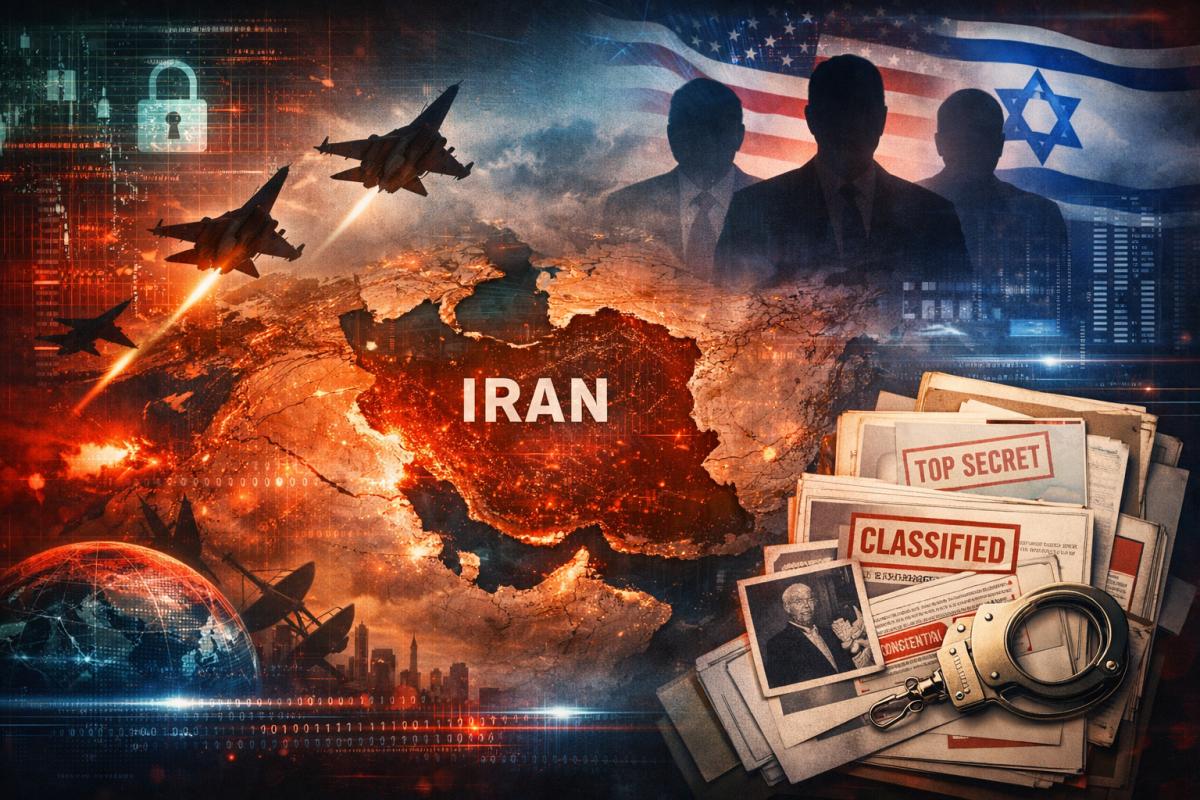

The modern geopolitical landscape is shaped by complex alliances, intelligence networks, and strategic military operations. One of the most controversial developments in recent international politics is the military campaign against Iran known as Operation Epic Fury. The operation, conducted by the United States in coordination with Israel, has sparked global debate about the motivations behind the conflict and its timing.
At the same time, the release of millions of documents related to the Epstein Files has created an intense political and media storm. These documents contain information, allegations, and records related to the late financier Jeffrey Epstein and his connections with powerful individuals worldwide. The overlap between these two developments has fueled speculation, political arguments, and competing narratives about global power structures.
This article explores the geopolitical background of the war on Iran, the strategic role of Israel in the Middle East, the controversies surrounding Operation Epic Fury, and the debates linking the conflict with the Epstein Files disclosures. It also examines the broader implications for global politics, international alliances, and information warfare.
The Geopolitical Context of the Iran Conflict
Iran has long been a central player in Middle Eastern geopolitics. For decades, tensions between Iran and Western powers have revolved around issues such as nuclear development, regional influence, and ideological differences. The United States and Israel have both viewed Iran's growing military capabilities and nuclear ambitions as potential threats to regional stability.
In early 2026, tensions escalated dramatically. A series of political crises, regional protests, and stalled negotiations over Iran's nuclear program created a volatile environment. Eventually, military action was initiated under the codename Operation Epic Fury. The campaign involved coordinated airstrikes and military operations targeting strategic Iranian facilities and military infrastructure. :contentReference[oaicite:0]{index=0}
The operation represented one of the most significant military escalations in the region in recent years and immediately triggered reactions from governments, analysts, and global institutions.
What Is Operation Epic Fury?
Operation Epic Fury refers to a large-scale military campaign launched by the United States in collaboration with Israel against targets inside Iran. The operation was presented by officials as a strategic move designed to neutralize threats related to missile programs and nuclear development. :contentReference[oaicite:1]{index=1}
The objectives of the operation included:
- Destroying missile infrastructure
- Disrupting Iran's naval capabilities
- Weakening military command structures
- Preventing the development of nuclear weapons
- Supporting political pressure on the Iranian government
The campaign involved airstrikes, cyber operations, intelligence coordination, and electronic warfare. Analysts noted that cyber attacks were used to disrupt communication networks before military strikes were executed. :contentReference[oaicite:2]{index=2}
Strategic Military Elements
Several major components defined the strategy behind Operation Epic Fury:
- Coordinated air campaigns
- Cyber warfare against Iranian infrastructure
- Intelligence sharing between allied nations
- Psychological and information operations
- Regional military positioning
These combined strategies aimed to rapidly weaken Iran's defensive capabilities while minimizing prolonged ground conflict.
Israel’s Strategic Role in the Conflict
Israel has long viewed Iran as one of its primary security threats. Iranian leaders have frequently criticized Israel and supported groups that oppose Israeli policies in the region. This long-standing rivalry has shaped Israel's foreign and security policies for decades.
Because of this strategic rivalry, Israel has consistently supported efforts to limit Iran's military power. Israeli intelligence agencies have also conducted covert operations targeting Iranian nuclear and military infrastructure over the years.
Within Operation Epic Fury, Israel played a significant role by contributing intelligence capabilities, air force coordination, and technological expertise. The alliance between the United States and Israel has historically been strong, particularly when addressing shared security concerns in the Middle East.
Political Debate Surrounding the War
Despite the official justification for the military campaign, the decision to launch the operation sparked heated debate both domestically and internationally. Critics questioned whether the conflict was necessary and whether diplomatic options had been fully exhausted.
Supporters of the operation argued that Iran's nuclear ambitions and military activities posed a direct threat that required decisive action. Critics, however, raised concerns about the risk of escalating into a larger regional war.
The launch of the operation intensified discussions about presidential war powers and the authority of the executive branch to initiate military action without broader legislative approval.
These debates highlight the complex balance between national security, international diplomacy, and democratic oversight.
The Epstein Files Controversy
Parallel to these geopolitical developments, another issue has dominated political discussions: the release of extensive documents known as the Epstein Files. These files contain millions of pages of emails, testimonies, and records related to Jeffrey Epstein and his network of associates.
The documents have revealed connections between Epstein and various high-profile individuals, business leaders, and political figures. The disclosures triggered widespread public interest and renewed calls for transparency regarding Epstein's activities and contacts. :contentReference[oaicite:3]{index=3}
The scale of the document release was unprecedented, with millions of pages made available to lawmakers and investigators. The files include financial records, communications, and investigative materials collected over many years.
Major Themes in the Epstein Documents
- Networks of influential individuals
- Financial relationships and donations
- International connections
- Legal investigations and testimonies
- Intelligence speculation and allegations
While many of the claims within the documents remain unverified or disputed, the files have significantly shaped political narratives and media coverage.
The Timing Debate: War and Media Attention
One of the most controversial questions raised by commentators is whether the timing of the Iran conflict influenced public attention away from the Epstein Files revelations.
Some political observers suggested that major geopolitical events often dominate news cycles and can overshadow other significant stories. When a major international conflict begins, media coverage tends to shift rapidly toward military developments and diplomatic reactions.
This phenomenon has led to speculation that the outbreak of war may have indirectly diverted attention from ongoing controversies surrounding the Epstein documents.
In modern information ecosystems, global conflicts often reshape the media landscape overnight, shifting public discourse toward national security issues.
However, it is important to distinguish between verified evidence and speculation. While discussions about timing continue, there is no definitive proof linking the military campaign to attempts at media diversion.
Information Warfare and Narrative Control
Another major aspect of the conflict involves information warfare. In modern geopolitics, wars are fought not only with weapons but also with narratives, cyber operations, and public perception campaigns.
Digital platforms, social media networks, and news outlets play crucial roles in shaping how global audiences interpret political events. Competing narratives emerge rapidly, each presenting different interpretations of the same events.
In the case of the Iran conflict and the Epstein Files debate, several narratives have appeared:
- The war was a necessary defensive operation
- The conflict was part of broader regional power struggles
- The timing coincided with political controversies
- Information warfare amplified speculation and misinformation
These narratives demonstrate how modern geopolitical events are intertwined with information ecosystems.
International Reactions
The global response to Operation Epic Fury has been mixed. Some countries expressed support for the operation, emphasizing concerns about nuclear proliferation and regional security. Others warned that military escalation could destabilize the Middle East and trigger wider conflict.
International organizations and diplomatic bodies have urged restraint and encouraged renewed negotiations to prevent further escalation.
Key Reactions from the Global Community
| Region | Response | Main Concern |
|---|---|---|
| United States Allies | Conditional support | Security and defense cooperation |
| European Nations | Cautious statements | Risk of regional escalation |
| Middle Eastern States | Mixed reactions | Regional stability |
| International Organizations | Calls for diplomacy | Preventing prolonged war |
Cyber Warfare and Modern Conflict
A significant feature of the Iran conflict has been the role of cyber warfare. Digital attacks targeting communication systems, infrastructure, and government networks were reported during the early phases of the conflict.
Cyber operations were designed to disrupt command structures and weaken Iran's ability to coordinate defensive responses. This strategy demonstrates how modern warfare increasingly relies on technological capabilities alongside traditional military force.
At the same time, cyber retaliation from Iranian-linked groups has also been reported, illustrating the escalating digital dimension of modern geopolitical conflict.
The Intersection of Politics, Intelligence, and Power
The controversies surrounding the Iran conflict and the Epstein Files highlight the intricate intersection of politics, intelligence networks, and global power structures.
International politics often operates within complex systems of alliances, intelligence operations, economic interests, and strategic decision-making. Events rarely occur in isolation; instead, they interact with broader political environments.
Understanding these dynamics requires careful analysis of verified information, geopolitical context, and historical patterns rather than relying solely on speculation.
Media Narratives and Public Perception
Public perception plays a powerful role in shaping political outcomes. Governments, media organizations, and political actors all attempt to frame events in ways that support their narratives.
The simultaneous emergence of major geopolitical conflict and controversial document releases created a complex information environment. Different audiences interpreted events through different ideological and political lenses.
This dynamic illustrates the importance of media literacy and critical analysis when evaluating global events.
Long-Term Implications for Global Politics
The consequences of the Iran conflict and the Epstein Files debate will likely extend far beyond the immediate political moment. Several long-term implications are already becoming visible.
- Shifts in Middle Eastern geopolitical alliances
- Renewed debates about transparency and accountability
- Expansion of cyber warfare capabilities
- Changes in media ecosystems and information flows
- Increasing public skepticism toward political institutions
These developments illustrate how major global events reshape political landscapes and public discourse.
Conclusion
The debate surrounding the war on Iran, Operation Epic Fury, and the controversies linked to the Epstein Files reflects the complexity of modern geopolitics. Military operations, intelligence networks, political narratives, and media coverage intersect in ways that shape how global events are interpreted.
While the military campaign against Iran was officially justified as a strategic effort to neutralize security threats, the timing of the conflict and the simultaneous release of controversial documents sparked widespread speculation and debate.
Understanding these events requires careful analysis of geopolitical strategy, international alliances, and information dynamics. In an era defined by rapid information flow and global political tensions, separating verified facts from speculation remains essential for informed public discourse.

Community Insights