Established 2026 • West Bengal, India

The intersection of
Modern Life & Tech.

Exploring the digital frontier with a touch of elegance. We bridge the gap between clean code and circuit logic to deliver insights that simplify the complex and empower the next generation of digital builders.

ORIGINAL CONTENT • PURE RESEARCH • READER SUPPORTED

Fresh Insights

Latest Entries

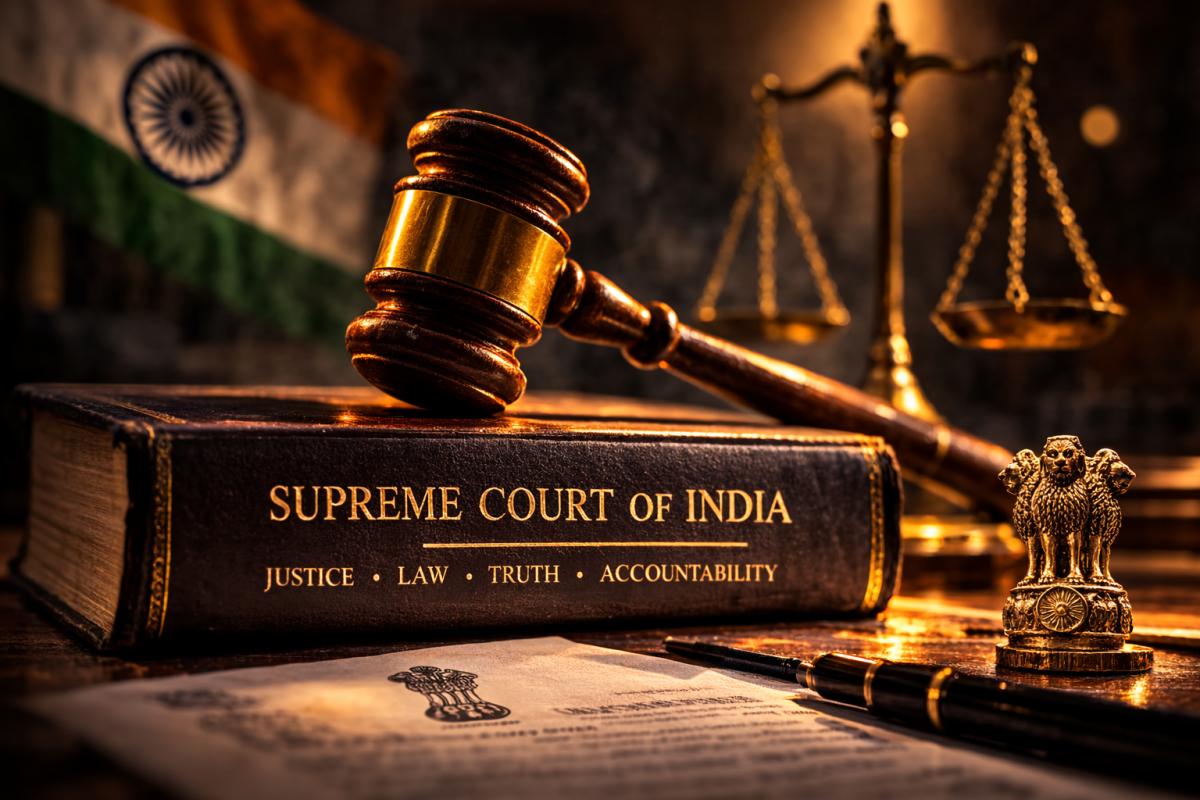
Euthanasia Laws Explained: Indian Constitution, Landmark Cases, Ethics, and Global Legal Status
Explained

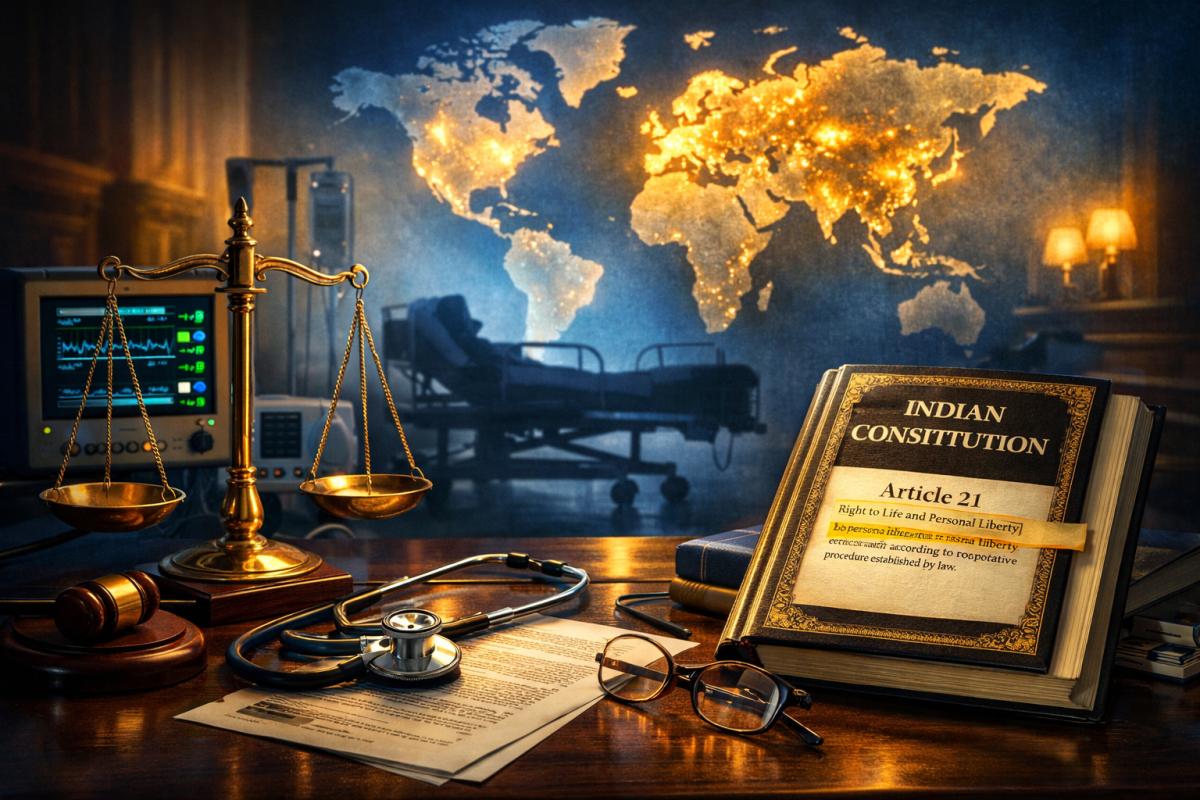
Euthanasia Laws Explained: Indian Constitution, Landmark Cases, Ethics, and Global Legal Status

Euthanasia is one of the most debated topics in medical ethics, law, and human rights. The term refers to the intentional act of ending a person's life to relieve suffering caused by severe illness, pain, or irreversible medical conditions. The debate surrounding euthanasia involves complex questions about human dignity, autonomy, medical responsibility, constitutional rights, and ethical boundaries. Across the world, different countries have taken varying legal approaches toward euthanasia. Some allow it under strict regulations, while others completely prohibit it. In India, the legal framework surrounding euthanasia has evolved significantly through judicial interpretations and landmark court decisions. The discussion often revolves around the Right to Life under Article 21 of the Indian Constitution and whether this right includes the right to die with dignity. Internationally, several countries have legalized certain forms of euthanasia or assisted dying, making the global legal landscape diverse and complex. This article explores euthanasia from multiple perspectives including its definition, types, ethical debates, constitutional analysis in India, landmark cases, and the legal position in various countries around the world. It also examines the first euthanasia cases globally and in India, as well as recent developments that continue to shape this sensitive issue. Meaning and Definition of Euthanasia The word euthanasia originates from the Greek words “eu” meaning good and “thanatos” meaning death. Thus, euthanasia literally means “good death” or a painless and peaceful death. In medical and legal terms, euthanasia refers to the deliberate act of ending a patient's life to relieve them from unbearable suffering caused by terminal illness, irreversible coma, or severe disability. The concept often overlaps with assisted dying, but there are subtle legal and ethical differences. Euthanasia is generally defined as the act of intentionally ending a person's life to relieve suffering, usually performed by a physician or with medical assistance. The issue of euthanasia involves several critical questions such as whether individuals have the right to control the timing of their death, whether doctors should be allowed to assist in ending life, and how the law should balance compassion with protection against misuse. Types of Euthanasia Euthanasia can be categorized into several types depending on how the act is carried out and whether consent is involved. 1. Active Euthanasia Active euthanasia occurs when a person intentionally causes the death of a patient through direct action. This may involve administering a lethal injection or medication to end life quickly and painlessly. Direct medical intervention Intentional administration of lethal substances Usually performed by a physician Active euthanasia is illegal in most countries because it is considered equivalent to homicide under criminal law. 2. Passive Euthanasia Passive euthanasia involves withdrawing or withholding medical treatment necessary for sustaining life. In this situation, the patient is allowed to die naturally. Removal of life support systems Stopping artificial nutrition or hydration Withholding life-saving treatments This form of euthanasia is legally accepted in several countries including India under strict guidelines. 3. Voluntary Euthanasia Voluntary euthanasia occurs when a patient consciously requests assistance in ending their life due to unbearable suffering. The request must be made voluntarily and without coercion. 4. Non-Voluntary Euthanasia This type of euthanasia occurs when the patient is unable to provide consent, such as in cases of coma, severe brain injury, or advanced dementia. Decisions are typically made by family members or legal guardians. 5. Involuntary Euthanasia Involuntary euthanasia occurs when a person's life is ended without their consent despite their ability to express their wishes. This is widely considered unethical and illegal. Ethical Debate on Euthanasia Euthanasia raises fundamental ethical questions that divide philosophers, medical professionals, religious institutions, and legal experts. The ethical debate revolves around two primary principles: autonomy and sanctity of life. Arguments Supporting Euthanasia Right to die with dignity Relief from unbearable pain and suffering Respect for individual autonomy Avoidance of prolonged medical suffering Reduction of emotional and financial burden on families Arguments Opposing Euthanasia Possibility of misuse or coercion Violation of medical ethics Religious and moral objections Difficulty in determining true consent Risk of undermining trust in healthcare professionals Medical ethics traditionally follows the principle "Do no harm". Many physicians believe euthanasia contradicts the core duty of preserving life. Euthanasia and the Indian Constitution The legal debate in India largely centers around Article 21 of the Constitution of India, which guarantees the Right to Life and Personal Liberty. Article 21: No person shall be deprived of his life or personal liberty except according to procedure established by law. The crucial constitutional question is whether the Right to Life includes the Right to Die. The Supreme Court of India has addressed this question in several landmark cases. Early Legal Position in India Initially, Indian law treated any form of euthanasia as illegal. Under the Indian Penal Code, acts related to ending life could fall under: Section 302 – Murder Section 304 – Culpable homicide Section 306 – Abetment of suicide Section 309 – Attempt to commit suicide However, evolving judicial interpretations gradually recognized the need to allow passive euthanasia under strict safeguards. Major Supreme Court Cases on Euthanasia in India 1. P. Rathinam vs Union of India (1994) In this case, the Supreme Court held that Section 309 of the Indian Penal Code, which criminalized attempted suicide, was unconstitutional. The court reasoned that the right to life also included the right not to live. However, this interpretation was later reconsidered. 2. Gian Kaur vs State of Punjab (1996) This landmark judgment overturned the P. Rathinam decision. The Supreme Court held that the Right to Life under Article 21 does not include the right to die. However, the court acknowledged that the right to live with dignity may include the right to die with dignity in certain circumstances. 3. Aruna Shanbaug Case (2011) This is the most famous euthanasia case in India. Aruna Shanbaug was a nurse who remained in a vegetative state for over 40 years after being assaulted in a hospital. A petition was filed requesting euthanasia to end her suffering. The Supreme Court rejected active euthanasia but allowed passive euthanasia under strict judicial supervision. The court introduced guidelines requiring approval from High Courts before withdrawing life support. 4. Common Cause vs Union of India (2018) This case significantly expanded the legal framework for euthanasia in India. The Supreme Court recognized the concept of Living Will and declared that passive euthanasia is legal under certain conditions. Patients can write a living will specifying medical decisions Life support may be withdrawn in terminal conditions Strict medical and legal procedures must be followed This judgment affirmed that the Right to Die with Dignity is part of Article 21. First Euthanasia Case in India The most widely recognized euthanasia case in India is the Aruna Shanbaug case. Though euthanasia was not granted, the case established legal guidelines for passive euthanasia in India. This case marked the beginning of serious legal discussion about the right to die with dignity in Indian jurisprudence. First Euthanasia Case in the World The Netherlands is considered the first country to formally legalize euthanasia. In 2002, the Netherlands enacted the Termination of Life on Request and Assisted Suicide Act, making euthanasia and physician-assisted suicide legal under strict conditions. Patient suffering must be unbearable The request must be voluntary A second doctor must confirm the condition Medical procedures must be carefully documented This law became a model for other countries considering legalization. Countries Where Euthanasia Is Legal Country Year Legalized Type Allowed Netherlands 2002 Active euthanasia and assisted suicide Belgium 2002 Active euthanasia Luxembourg 2009 Euthanasia and assisted suicide Canada 2016 Medical assistance in dying Spain 2021 Euthanasia and assisted suicide Colombia 2015 Euthanasia Some countries such as Switzerland allow assisted suicide but prohibit direct euthanasia. Countries Where Euthanasia Is Illegal Many countries still consider euthanasia illegal due to ethical, religious, and legal concerns. India (active euthanasia illegal) China Japan Brazil Most African nations However, even in countries where euthanasia is illegal, courts sometimes allow withdrawal of life support under exceptional circumstances. Religious Views on Euthanasia Religion plays a significant role in shaping attitudes toward euthanasia. Hinduism Hindu philosophy generally values the sanctity of life but also acknowledges the concept of voluntary death in certain spiritual contexts. Islam Islam strictly prohibits euthanasia because life is considered sacred and only God has the authority to end it. Christianity Most Christian denominations oppose euthanasia, emphasizing the sanctity and divine origin of life. Buddhism Buddhism discourages euthanasia because intentional killing violates the principle of non-violence. Medical Perspective on Euthanasia From a medical standpoint, euthanasia raises complex questions about professional ethics, patient care, and the role of physicians. Doctors are trained to preserve life and alleviate suffering. However, in cases of terminal illness where no cure exists, prolonging life artificially may increase suffering. Medical professionals therefore face ethical dilemmas such as: Balancing compassion with professional duty Ensuring patient autonomy Avoiding coercion or abuse Maintaining trust in healthcare systems Modern medicine increasingly emphasizes palliative care as an alternative to euthanasia, focusing on pain management and quality of life. Living Will and Advance Medical Directive A Living Will is a written document in which a person specifies medical treatment preferences in case they become incapable of making decisions in the future. In India, the Supreme Court has legally recognized living wills. They allow individuals to state whether they wish to continue or withdraw life-sustaining treatment in terminal conditions. The document must be voluntary It must be signed in the presence of witnesses It should be verified by appropriate authorities Medical boards must review the request This mechanism ensures that decisions about end-of-life care respect the wishes of the patient. Recent Developments in India In recent years, the Supreme Court has simplified the procedure for implementing living wills and passive euthanasia. Hospitals can now follow clearer guidelines for withdrawing life support in terminal cases. The legal framework continues to evolve as courts attempt to balance compassion, constitutional rights, and protection against misuse. Conclusion Euthanasia remains one of the most complex issues at the intersection of law, ethics, medicine, and human rights. The debate reflects fundamental questions about the value of life, the limits of personal autonomy, and the responsibilities of society toward those who suffer from incurable diseases. In India, the legal position has evolved through landmark judicial decisions that recognize the right to die with dignity under Article 21 while prohibiting active euthanasia. Passive euthanasia and living wills are now permitted under strict safeguards, reflecting a cautious approach that seeks to protect vulnerable individuals while respecting patient autonomy. Globally, the legal status of euthanasia varies widely, with some countries legalizing it under regulated conditions and others maintaining strict prohibitions. Ethical concerns, cultural beliefs, and religious values continue to influence national policies. Ultimately, the discussion about euthanasia requires careful consideration of compassion, dignity, and responsibility. As medical technology advances and societies confront the challenges of end-of-life care, the debate over euthanasia will continue to evolve, shaping future legal and ethical frameworks around the world.

Is Artificial Intelligence More Dangerous Than Nuclear Weapons? The Truth About AI Risks, Warfare, and Global Security
Tech

Is Artificial Intelligence More Dangerous Than Nuclear Weapons? The Truth About AI Risks, Warfare, and Global Security

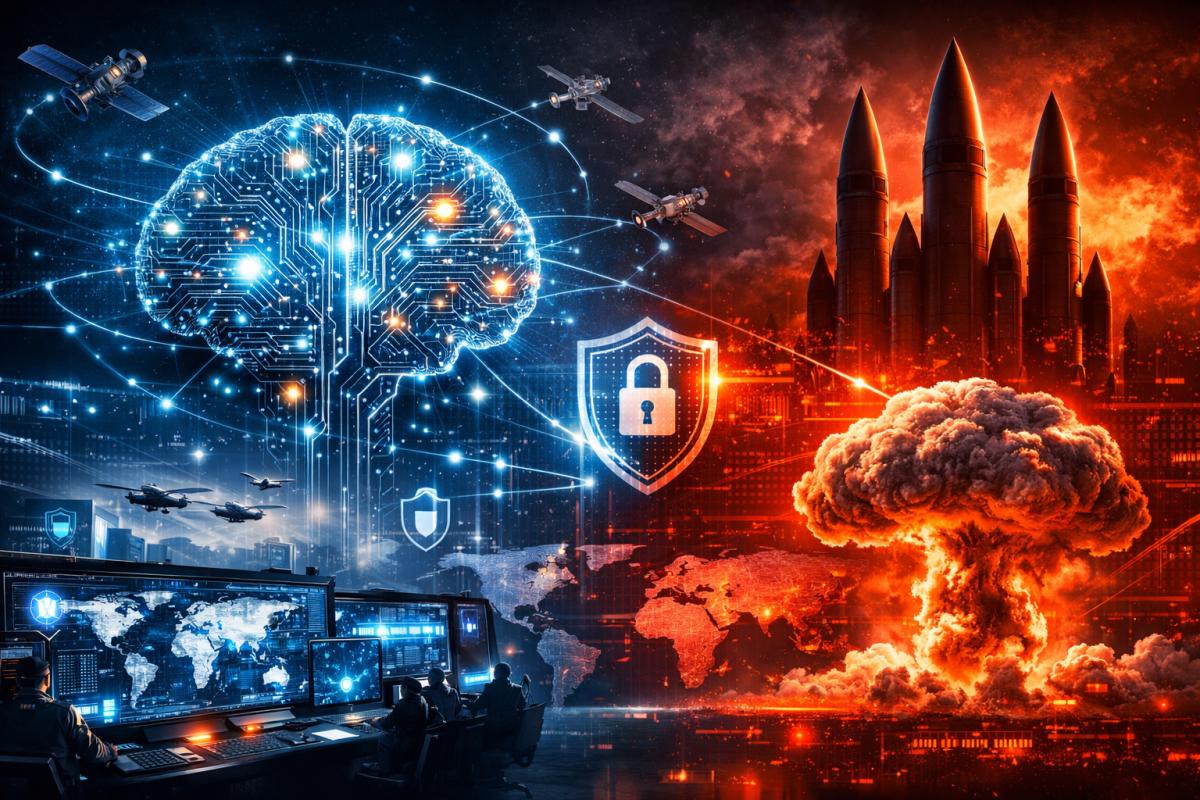
The rapid development of artificial intelligence has transformed nearly every sector of society, from healthcare and education to finance and national security. However, recent global discussions have raised a disturbing question: Can artificial intelligence become more dangerous than nuclear weapons? This debate intensified after reports surfaced about a tragic incident in Iran where hundreds of schoolgirls were killed during a missile strike. Some online narratives suggested that artificial intelligence might have been responsible for identifying the target incorrectly. The story quickly spread across social media, generating fear and confusion about the power and potential dangers of AI-driven military systems. This article explores the facts, investigates whether AI played a role in the tragedy, and analyzes the broader question of whether artificial intelligence could indeed become more dangerous than nuclear weapons. The Iran Schoolgirls Incident: What Happened? On February 28, 2026, a devastating missile strike hit the Shajareh Tayyebeh girls’ elementary school in Minab, Iran. The attack destroyed the school building and caused one of the deadliest civilian tragedies in the ongoing regional conflict. According to reports, between 168 and 180 people were killed, most of them schoolgirls aged between seven and twelve. Many others were injured when the roof collapsed following the impact of multiple missile strikes. Investigations suggested that the school may have been mistakenly identified as a military target during a large-scale military operation.  The tragedy sparked global outrage and triggered debates about modern warfare, automated targeting systems, and the role of artificial intelligence in military decision-making. Key Facts About the Incident The attack occurred during a major military escalation involving strikes across Iran. The targeted building was a girls’ elementary school. Most victims were children between 7 and 12 years old. International organizations condemned the attack as a violation of humanitarian law. Was Artificial Intelligence Responsible? Many online discussions claimed that artificial intelligence systems were responsible for identifying the school as a military target. However, the reality is far more complex. Military analysts believe the tragedy may have occurred due to outdated intelligence data. The location might previously have been associated with a military facility or logistics site, causing it to remain on targeting lists. When automated targeting systems analyzed the data, the outdated information may have resulted in the wrong identification. Artificial intelligence systems are sometimes used in military operations to analyze vast datasets, including satellite imagery, surveillance information, and intelligence reports. These systems help shorten the decision-making process in warfare. However, experts emphasize that AI does not make the final decision to launch weapons. Human operators and military command structures still authorize attacks. Possible Factors Behind the Strike Outdated intelligence data in military databases Misidentification of buildings near military infrastructure High-speed targeting decisions during active conflict Human oversight errors in reviewing AI-generated recommendations The Role of AI in Modern Warfare Artificial intelligence is increasingly integrated into modern military systems. These systems analyze massive volumes of information faster than humans and can assist with tasks such as: Satellite image analysis Target detection Missile guidance Cybersecurity defense Battlefield surveillance The purpose of these technologies is to increase accuracy and reduce collateral damage. However, when AI systems rely on incomplete or incorrect data, the consequences can be catastrophic. “AI can process information faster than humans, but it still depends on the accuracy of the data it receives.” This limitation is known as the “garbage in, garbage out” problem. If the data used by the system is outdated or incorrect, the system may generate flawed conclusions. Historical Context: Previous Incidents Involving Iranian Schoolgirls The tragic missile strike was not the first time Iranian schoolgirls became victims of suspicious incidents. Between 2022 and 2023, thousands of schoolgirls across Iran were affected by mysterious poisoning attacks. Reports indicated that students in dozens of schools experienced symptoms such as breathing difficulties, dizziness, and nausea. Investigations suggested that an inhaled chemical substance might have been involved. :contentReference[oaicite:1]{index=1} Human rights groups raised concerns that the attacks might have been deliberate attempts to intimidate girls and discourage them from attending school. More than 1,200 students were hospitalized during the incidents. :contentReference[oaicite:2]{index=2} The causes of these poisonings remain controversial and unresolved. Theories Behind the Poisoning Incidents Deliberate attacks by extremist groups opposed to girls’ education Government-linked intimidation tactics Foreign sabotage operations Mass psychogenic illness triggered by fear and social pressure Why AI Is Often Blamed Artificial intelligence is frequently blamed for disasters because it represents a powerful and unfamiliar technology. When people hear about autonomous weapons or AI-driven decision systems, it is easy to assume that machines are acting independently. However, most modern military AI systems operate under strict human supervision. There are several reasons why AI is often blamed: Fear of automation replacing human judgment Limited public understanding of military technology Rapid spread of misinformation on social media Sensational headlines about “killer AI” In reality, most military systems use AI as a decision-support tool, not as an autonomous weapon that independently chooses targets. Could AI Become More Dangerous Than Nuclear Weapons? Some experts warn that artificial intelligence could become one of the most powerful technologies ever created. Unlike nuclear weapons, which are controlled by a limited number of countries, AI technology can be developed by many governments and private organizations. This widespread accessibility raises concerns about misuse. Key Differences Between AI and Nuclear Weapons Factor Artificial Intelligence Nuclear Weapons Accessibility Can be developed by many countries and companies Restricted to a few nuclear states Speed of Deployment Software can spread instantly Physical weapons require infrastructure Control Difficult to regulate globally Controlled through treaties Potential Impact Cyber warfare, automated weapons, misinformation Mass destruction through explosions While AI does not have the immediate destructive power of nuclear bombs, its ability to influence warfare, economies, and information systems makes it a powerful strategic technology. Major Risks Associated With AI 1. Autonomous Weapons One of the biggest concerns is the development of fully autonomous weapons that could select and attack targets without human approval. 2. Cyber Warfare AI could be used to launch advanced cyber attacks against infrastructure such as power grids, financial systems, and communication networks. 3. Misinformation Campaigns AI-generated fake videos, deepfakes, and propaganda could destabilize societies and influence elections. 4. Data Manipulation If AI systems rely on corrupted data, they could make incorrect decisions in critical situations. Why Human Oversight Remains Essential Despite rapid advances in artificial intelligence, human oversight remains crucial. Most military and technological experts agree that humans must remain responsible for final decisions involving life and death. Human judgment provides ethical reasoning, context, and accountability that machines cannot replicate. Several international organizations have already proposed guidelines to ensure responsible use of AI in warfare. Principles for Responsible AI Use Human control over lethal decisions Transparent algorithms International regulations Accountability for misuse The Problem of Misinformation In today’s digital world, misinformation spreads faster than facts. Viral videos and sensational headlines can quickly create false narratives. Many online claims about AI causing the Iran tragedy are based on speculation rather than confirmed evidence. Investigations are still ongoing, and definitive conclusions require careful analysis of intelligence data, military procedures, and technological systems. It is important to separate verified facts from speculation. Lessons From the Tragedy The Minab school tragedy highlights several important lessons for the future of technology and warfare. Data accuracy is critical for AI systems. Human verification must remain part of targeting decisions. International rules for AI warfare are urgently needed. Transparency is necessary to maintain public trust. Without these safeguards, advanced technology could increase the risk of accidental disasters. The Future of AI and Global Security Artificial intelligence will continue to transform global security in the coming decades. Governments around the world are investing billions of dollars into AI-driven military systems. At the same time, researchers and policymakers are working to ensure that these technologies are developed responsibly. International cooperation will be essential to prevent misuse and maintain stability. Conclusion The tragic deaths of Iranian schoolgirls in the Minab school strike represent one of the most heartbreaking civilian disasters in recent years. While artificial intelligence may have played a role in analyzing intelligence data, there is no definitive evidence that AI deliberately caused the attack. Instead, the tragedy likely resulted from outdated intelligence, human decision-making errors, and the chaos of modern warfare. Artificial intelligence itself is not inherently evil. It is a powerful tool created by humans, and like any technology, its impact depends on how it is used. The real danger lies not in AI alone but in the systems, policies, and decisions surrounding it. As AI continues to evolve, governments and societies must develop strong ethical frameworks, transparent regulations, and human oversight mechanisms. Only through responsible governance can the world harness the benefits of artificial intelligence while preventing tragedies like the one that occurred in Iran.

India Invokes Essential Commodities Act to Secure LPG Supply Amid West Asia Crisis
Nation

India Invokes Essential Commodities Act to Secure LPG Supply Amid West Asia Crisis

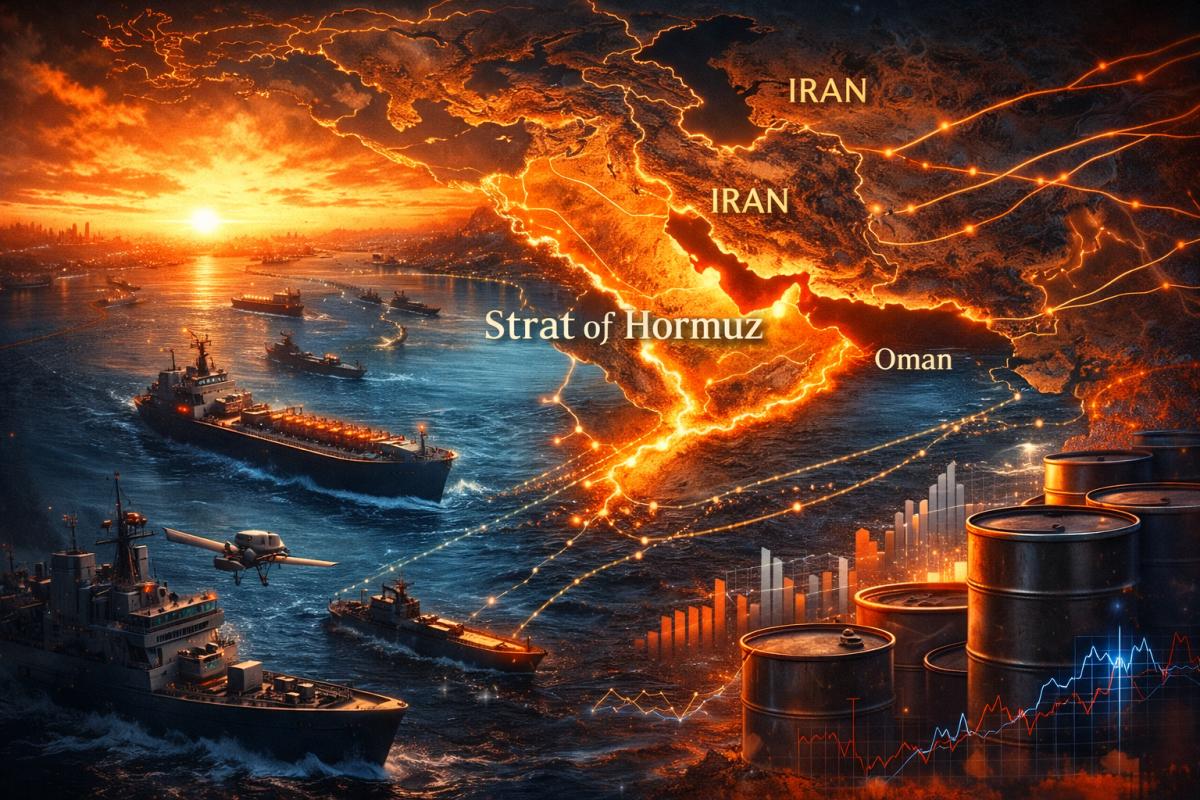
The Government of India recently invoked the Essential Commodities Act (ECA), 1955 to ensure the uninterrupted supply of Liquefied Petroleum Gas (LPG) and natural gas across the country. This move comes amid escalating geopolitical tensions in West Asia, particularly following military confrontations involving the United States, Israel, and Iran. The conflict has raised serious concerns over disruptions to global energy supply chains, especially for countries like India that depend heavily on imports for their fuel needs. The government’s intervention highlights the importance of energy security and the need to maintain stable supplies of essential commodities during international crises. By invoking the Essential Commodities Act, authorities gain expanded powers to regulate production, distribution, and consumption of key resources such as LPG and natural gas in order to protect domestic consumers and critical sectors. Understanding the Essential Commodities Act, 1955 The Essential Commodities Act, 1955 is a landmark legislation enacted by the Parliament of India to ensure that essential goods remain available to the public at fair prices. The Act empowers the government to regulate the production, supply, distribution, and trade of commodities that are crucial for everyday life. Under the Act, the government can intervene in markets during times of crisis or supply shortages to prevent hoarding, black marketing, and artificial price inflation. This mechanism helps maintain stability in the availability and pricing of essential goods. Objectives of the Essential Commodities Act Ensure continuous supply of essential goods Prevent hoarding and black marketing Control excessive price rise Maintain equitable distribution across regions Protect consumers during emergencies The Act allows the central government to declare certain commodities as “essential” and regulate them whenever necessary. Items that have historically been listed under the Act include food grains, edible oils, fertilizers, petroleum products, drugs, and other critical supplies. Why the Government Invoked the Act Now The recent decision to invoke the Essential Commodities Act is directly linked to growing instability in the Middle East region. The escalation of conflict involving Iran has created uncertainty around oil and gas supply routes, particularly through the strategically important Strait of Hormuz. A large portion of the world’s oil and gas shipments pass through this narrow maritime route. Any disruption can significantly affect global energy markets and create supply shortages. Key Reasons Behind the Decision Escalating geopolitical tensions in West Asia Potential disruptions in LNG shipments Dependence on imports for LPG supply Need to secure household cooking gas supply Prevent hoarding and panic buying India is the world’s second-largest importer of LPG and relies heavily on imports from Middle Eastern countries. Around 85–90% of LPG imports originate from this region, making India particularly vulnerable to disruptions in shipping routes or regional instability. India’s LPG Consumption and Import Dependence India’s growing population and rising energy consumption have significantly increased demand for LPG in recent years. LPG is widely used as a domestic cooking fuel, especially after government initiatives promoting clean cooking energy. Indicator Value Total LPG Consumption (FY 2024-25) 31.3 million tonnes Domestic LPG Production 12.8 million tonnes Import Dependency Over 60% Share of Imports from Middle East 85-90% The table highlights how India’s LPG demand far exceeds its domestic production capacity. As a result, the country remains highly dependent on imports to meet the needs of households and industries. Government’s Emergency Measures After invoking the Essential Commodities Act, the government introduced a set of emergency measures aimed at stabilizing LPG supply and ensuring that domestic consumers are not affected by the global crisis. Major Policy Directives Oil refineries must maximize LPG production. Propane and butane streams must be directed toward LPG manufacturing. Petrochemical units cannot divert these components for industrial production. Oil marketing companies must prioritize domestic LPG distribution. Authorities will monitor stocks and distribution to prevent hoarding. These directives are designed to ensure that cooking gas supplies remain stable even if global imports decline due to geopolitical tensions. Natural Gas (Supply Regulation) Order, 2026 Along with invoking the Essential Commodities Act, the government also issued the Natural Gas (Supply Regulation) Order, 2026. This order establishes a structured framework for allocating natural gas among different sectors of the economy. The objective is to prioritize essential sectors while temporarily limiting supply to less critical industries during the crisis. Four-Tier Priority Allocation System Domestic PNG supply, CNG for transport, and LPG production Fertilizer manufacturing plants Industries connected to the national gas grid Commercial and industrial consumers via city gas networks Priority sector one will receive 100% of its average gas consumption based on the previous six months, ensuring uninterrupted supply to households and transport sectors. Fertilizer plants will receive about 70%, while other industries will receive roughly 80% depending on operational availability. Impact on Industrial and Commercial Sectors While the policy primarily protects domestic consumers, it also has implications for several industrial sectors that depend on natural gas and hydrocarbon streams for manufacturing processes. Sectors Likely to Be Affected Petrochemical manufacturing Plastic and polymer production Industrial energy consumers Commercial gas users Some petrochemical firms typically use propane and butane to produce high-value products such as polypropylene and alkylates. Redirecting these components toward LPG production could affect profit margins and industrial output. Energy Security Concerns for India India’s heavy dependence on imported fossil fuels has long been recognized as a strategic vulnerability. Global conflicts, trade disruptions, or geopolitical rivalries can directly affect domestic energy supply. The current crisis underscores the importance of strengthening India’s energy security strategy. Major Challenges Dependence on imported LPG and LNG Limited domestic hydrocarbon reserves Geopolitical risks in energy-producing regions Volatility in international fuel prices Experts argue that diversifying supply sources and expanding domestic production will be critical for reducing vulnerability to international crises. Possible Economic and Social Impacts If LPG supplies were disrupted, the consequences could be widespread across Indian society and the economy. Household Impact Cooking fuel shortages Higher LPG cylinder prices Increased reliance on alternative fuels Business Impact Higher operating costs for restaurants and food businesses Supply shortages for commercial gas users Potential price rise in food services Reports from some regions have already indicated concerns among restaurant owners about LPG shortages and rising costs, highlighting the urgency of government intervention. Strategic Importance of LPG for Indian Households Liquefied Petroleum Gas plays a critical role in India’s domestic energy ecosystem. Over the past decade, government programs such as the Pradhan Mantri Ujjwala Yojana have expanded LPG access to millions of rural households. These initiatives have significantly reduced dependence on traditional cooking fuels such as firewood and coal, improving public health and reducing environmental damage. Benefits of LPG Adoption Cleaner cooking fuel Reduced indoor air pollution Improved health outcomes Time savings for households Environmental benefits Ensuring uninterrupted LPG supply is therefore essential not only for energy security but also for public health and social welfare. Role of Oil Marketing Companies India’s LPG distribution network is primarily managed by public sector Oil Marketing Companies (OMCs). Indian Oil Corporation Bharat Petroleum Corporation Hindustan Petroleum Corporation These companies play a crucial role in transporting LPG from refineries and import terminals to distributors across the country. The government’s emergency directives require these companies to prioritize domestic LPG supply and ensure timely distribution even during potential supply disruptions. Long-Term Policy Lessons The recent crisis provides several important lessons for India’s energy policy and strategic planning. Policy Priorities for the Future Diversify LPG import sources Increase domestic refining capacity Invest in renewable energy alternatives Strengthen strategic petroleum reserves Enhance supply chain resilience These measures can help reduce India’s dependence on vulnerable global supply chains and strengthen its ability to withstand international shocks. Energy security is not merely about fuel availability; it is about protecting households, industries, and national stability from global disruptions. Conclusion The invocation of the Essential Commodities Act to secure LPG and natural gas supplies highlights the government’s proactive approach in safeguarding essential resources during times of geopolitical instability. With rising tensions in West Asia threatening global energy supply chains, India has taken decisive steps to protect domestic consumers and maintain stability in critical sectors. By prioritizing LPG production, regulating natural gas allocation, and strengthening oversight of supply chains, the government aims to ensure that households continue to receive cooking gas without disruption. However, the situation also underscores the broader challenge of energy dependence and the need for long-term strategies to strengthen India’s energy security. Moving forward, investments in domestic energy production, diversification of import sources, and expansion of alternative energy technologies will be essential for reducing vulnerability to global crises. The current policy response demonstrates how regulatory tools such as the Essential Commodities Act remain crucial instruments for protecting public welfare and maintaining economic stability in uncertain times.

Essential Commodities Act 1955 Explained: How India Controls Prices, Stops Hoarding, and Protects Consumers
Explained

Essential Commodities Act 1955 Explained: How India Controls Prices, Stops Hoarding, and Protects Consumers

The Essential Commodities Act, 1955 is one of the most important laws enacted by the Government of India to regulate the production, supply, and distribution of commodities considered essential for everyday life. The primary objective of this Act is to ensure that basic necessities such as food, fuel, medicines, and fertilizers remain available to the public at fair prices and are not manipulated by hoarding, black marketing, or artificial scarcity. Since its enactment on 1 April 1955, the Act has played a crucial role in stabilizing the Indian economy during shortages, inflationary pressures, and emergencies. It empowers the government to intervene in markets when required to protect consumers and maintain equitable distribution of critical goods. This article provides a comprehensive analysis of the Essential Commodities Act, its objectives, key provisions, powers granted to the government, penalties, enforcement mechanisms, and its significance in India's economic framework. Introduction to the Essential Commodities Act India is a vast country with a large population that depends heavily on essential goods for daily living. To prevent shortages and ensure fair pricing, the government introduced the Essential Commodities Act to regulate commodities that are vital for public welfare. The Act authorizes the government to: Control production and supply of essential commodities Regulate storage and distribution Prevent hoarding and black marketing Ensure availability at reasonable prices Protect consumers from market manipulation The legislation was introduced during a time when India faced serious food shortages and market instability. Even today, the law continues to play a major role in ensuring economic stability and consumer protection. Objectives of the Essential Commodities Act The Act was introduced primarily to safeguard public interest. Its key objectives include: Ensuring availability of essential commodities to consumers. Preventing hoarding and black marketing by traders or suppliers. Maintaining price stability during inflation or supply shortages. Regulating trade and commerce of critical commodities. Promoting fair distribution of essential goods across the country. These objectives help maintain a balanced economic environment where both producers and consumers benefit from fair regulations. Definition of Essential Commodities Under the Act, essential commodities are items that are necessary for the daily life of citizens and the functioning of the economy. The government has the authority to modify this list depending on public interest. The schedule of the Act includes several commodities such as: Drugs and medicines Fertilizers Foodstuffs including edible oils and seeds Petroleum and petroleum products Raw jute and jute textiles Seeds of food crops and vegetables Cattle fodder seeds The government may also add or remove commodities from the list through official notifications when necessary. Powers of the Central Government The most significant provision of the Essential Commodities Act is the power it gives to the Central Government to regulate markets and control the supply chain. Control Over Production and Supply The government may regulate or prohibit the production, supply, and distribution of essential commodities if it believes that such action is necessary to maintain adequate supply or ensure fair pricing. Licensing and Permits The Act allows authorities to introduce licensing systems for producers, traders, and distributors of essential commodities. This ensures accountability and transparency in supply chains. Price Control Mechanisms The government can fix maximum prices for certain commodities to prevent inflation or exploitation of consumers. Regulation of Storage and Distribution The government may regulate: Storage limits Transportation of goods Distribution channels Commercial transactions involving essential commodities Compulsory Sale Orders Authorities may require producers or traders to sell a certain quantity of their stock to the government or authorized agencies. This ensures that commodities are available for public distribution systems and other welfare schemes. Delegation of Powers to State Governments The Central Government can delegate its powers to State Governments or subordinate authorities for effective implementation of the Act. This decentralized system ensures that local administrations can respond quickly to supply shortages, price manipulation, or hoarding activities within their regions. Confiscation of Essential Commodities If authorities suspect that essential commodities are being stored illegally or traded in violation of government orders, they can seize such commodities. The Collector of the district has the authority to: Inspect seized commodities Order confiscation Sell perishable commodities immediately Ensure fair distribution through government channels However, before confiscation, the accused must be given an opportunity to present their defense through a show-cause notice and hearing. Appeal Against Confiscation Any person aggrieved by a confiscation order has the right to appeal within one month. The appeal is heard by a judicial authority appointed by the State Government. After reviewing the case, the authority may: Confirm the confiscation order Modify the order Cancel the confiscation If the confiscated goods cannot be returned, the government must compensate the owner according to the applicable price rules. Penalties for Violations The Essential Commodities Act prescribes strict penalties for violations to discourage illegal practices such as hoarding, black marketing, or supply manipulation. Types of Punishments Offence Punishment Violation of government orders Imprisonment from 3 months to 7 years with fine Providing false information Imprisonment up to 5 years or fine Repeated offences Minimum 6 months imprisonment Courts may also confiscate goods, vehicles, or containers used for illegal transport of essential commodities. Offences by Companies If a company violates the provisions of the Act, both the company and responsible officials can be held liable. Company officials such as directors, managers, or secretaries may face punishment if the offence occurred due to: Negligence Consent or involvement Failure to prevent the violation This provision ensures corporate accountability in the supply chain of essential goods. Legal Presumptions and Burden of Proof In certain cases under the Act, the court may presume that the accused had a culpable mental state when committing the offence. However, the accused has the right to prove otherwise by demonstrating that: The violation occurred without their knowledge. They exercised due diligence to prevent the offence. The burden of proof often lies on the accused when possession or licensing violations are involved. Summary Trials and Special Courts The Act also provides for summary trials to ensure speedy justice. Special provisions allow Judicial Magistrates to conduct quick trials for violations involving essential commodities. In summary trials: Cases are decided faster Sentences may be shorter Appeals may be limited This helps authorities take immediate action against offenders who disrupt the supply chain. Protection for Government Officials The Act provides legal protection to government officials who act in good faith while enforcing the law. This means that: Officials cannot be sued for lawful actions performed under the Act. Prosecution of public servants requires government approval. This provision enables authorities to enforce regulations without fear of unnecessary legal harassment. Importance of the Essential Commodities Act The Essential Commodities Act has played a vital role in India's economic and social stability. Consumer Protection The Act protects consumers from exploitation and ensures that essential goods remain accessible at fair prices. Market Regulation It prevents monopolistic practices and discourages hoarding by traders or suppliers. Economic Stability By regulating supply chains, the government can manage inflation and maintain market equilibrium. Support During Crisis During emergencies such as natural disasters or pandemics, the Act enables the government to control supply chains and ensure public access to essential goods. Challenges and Criticism Despite its benefits, the Essential Commodities Act has also faced criticism. Impact on Farmers Some experts argue that strict stock limits discourage farmers and traders from investing in storage infrastructure. Market Distortion Frequent government intervention may sometimes disrupt free market mechanisms. Regulatory Complexity Multiple regulations and enforcement authorities can create administrative challenges. However, the government has periodically amended the Act to balance market freedom with consumer protection. Recent Reforms and Amendments In recent years, the government has attempted to modernize the Act by reducing unnecessary restrictions while retaining the ability to intervene during emergencies. Reforms have focused on: Encouraging agricultural investment Reducing unnecessary stock limits Promoting private sector participation Maintaining safeguards against price manipulation These changes aim to improve supply chain efficiency while protecting consumers. Role of the Act in India's Public Distribution System The Essential Commodities Act also supports India's Public Distribution System (PDS). The PDS distributes subsidized food grains such as rice and wheat to economically weaker sections. The Act ensures that: Food grains are procured at fair prices Distribution remains regulated Supply shortages are prevented This system is essential for maintaining food security for millions of citizens. Comparison with Other Economic Laws Law Purpose Essential Commodities Act Regulates supply and pricing of essential goods Competition Act Prevents monopolistic market practices Consumer Protection Act Protects consumer rights Food Safety and Standards Act Ensures food quality and safety Each law addresses different aspects of economic regulation and consumer welfare. Conclusion The Essential Commodities Act, 1955 remains a critical pillar of India’s regulatory framework. By empowering the government to regulate the production, supply, and distribution of essential goods, the Act protects consumers from exploitation and ensures equitable access to vital commodities. While debates continue regarding the extent of government intervention in markets, the law has historically played an important role in preventing hoarding, controlling inflation, and ensuring food security. With periodic reforms and modernized policies, the Essential Commodities Act continues to evolve in response to India’s changing economic landscape while maintaining its core mission of safeguarding public welfare.

War on Iran, Operation Epic Fury and the Epstein Files: The Geopolitical Power Struggle Shaping Global Politics
World

War on Iran, Operation Epic Fury and the Epstein Files: The Geopolitical Power Struggle Shaping Global Politics

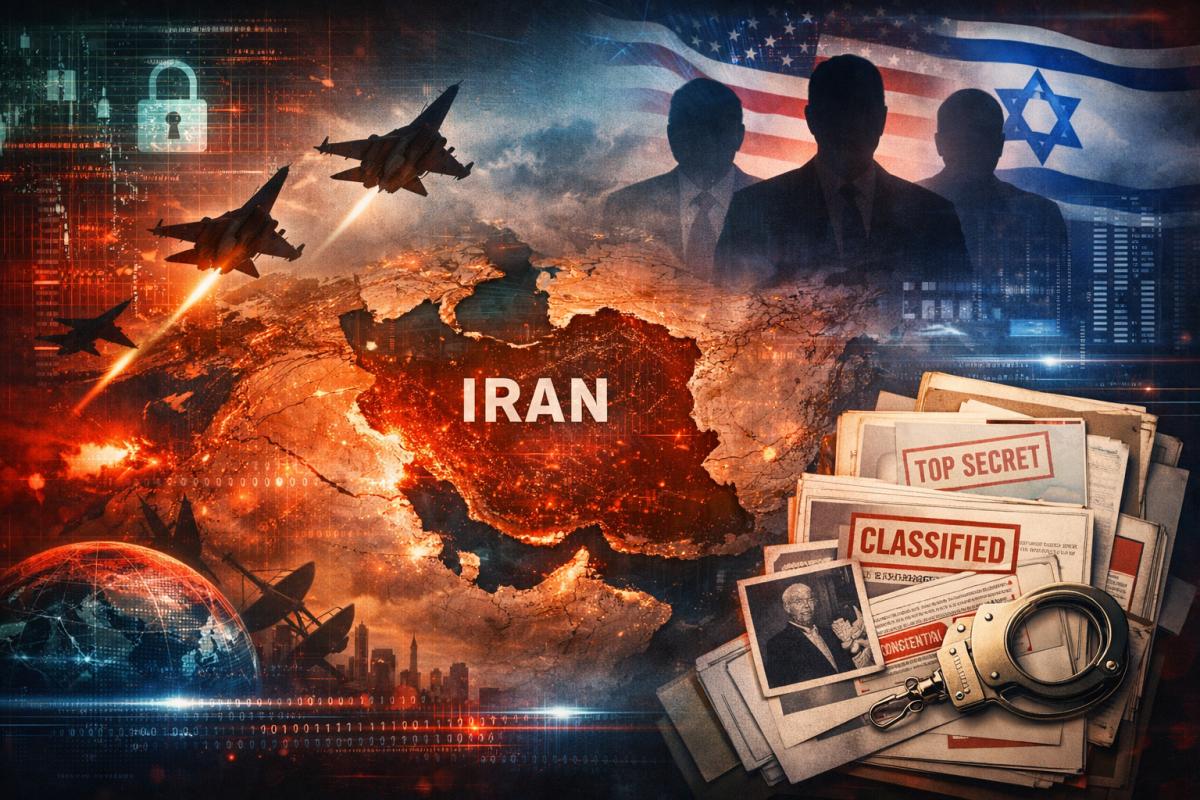
The modern geopolitical landscape is shaped by complex alliances, intelligence networks, and strategic military operations. One of the most controversial developments in recent international politics is the military campaign against Iran known as Operation Epic Fury. The operation, conducted by the United States in coordination with Israel, has sparked global debate about the motivations behind the conflict and its timing. At the same time, the release of millions of documents related to the Epstein Files has created an intense political and media storm. These documents contain information, allegations, and records related to the late financier Jeffrey Epstein and his connections with powerful individuals worldwide. The overlap between these two developments has fueled speculation, political arguments, and competing narratives about global power structures. This article explores the geopolitical background of the war on Iran, the strategic role of Israel in the Middle East, the controversies surrounding Operation Epic Fury, and the debates linking the conflict with the Epstein Files disclosures. It also examines the broader implications for global politics, international alliances, and information warfare. The Geopolitical Context of the Iran Conflict Iran has long been a central player in Middle Eastern geopolitics. For decades, tensions between Iran and Western powers have revolved around issues such as nuclear development, regional influence, and ideological differences. The United States and Israel have both viewed Iran's growing military capabilities and nuclear ambitions as potential threats to regional stability. In early 2026, tensions escalated dramatically. A series of political crises, regional protests, and stalled negotiations over Iran's nuclear program created a volatile environment. Eventually, military action was initiated under the codename Operation Epic Fury. The campaign involved coordinated airstrikes and military operations targeting strategic Iranian facilities and military infrastructure. :contentReference[oaicite:0]{index=0} The operation represented one of the most significant military escalations in the region in recent years and immediately triggered reactions from governments, analysts, and global institutions. What Is Operation Epic Fury? Operation Epic Fury refers to a large-scale military campaign launched by the United States in collaboration with Israel against targets inside Iran. The operation was presented by officials as a strategic move designed to neutralize threats related to missile programs and nuclear development. :contentReference[oaicite:1]{index=1} The objectives of the operation included: Destroying missile infrastructure Disrupting Iran's naval capabilities Weakening military command structures Preventing the development of nuclear weapons Supporting political pressure on the Iranian government The campaign involved airstrikes, cyber operations, intelligence coordination, and electronic warfare. Analysts noted that cyber attacks were used to disrupt communication networks before military strikes were executed. :contentReference[oaicite:2]{index=2} Strategic Military Elements Several major components defined the strategy behind Operation Epic Fury: Coordinated air campaigns Cyber warfare against Iranian infrastructure Intelligence sharing between allied nations Psychological and information operations Regional military positioning These combined strategies aimed to rapidly weaken Iran's defensive capabilities while minimizing prolonged ground conflict. Israel’s Strategic Role in the Conflict Israel has long viewed Iran as one of its primary security threats. Iranian leaders have frequently criticized Israel and supported groups that oppose Israeli policies in the region. This long-standing rivalry has shaped Israel's foreign and security policies for decades. Because of this strategic rivalry, Israel has consistently supported efforts to limit Iran's military power. Israeli intelligence agencies have also conducted covert operations targeting Iranian nuclear and military infrastructure over the years. Within Operation Epic Fury, Israel played a significant role by contributing intelligence capabilities, air force coordination, and technological expertise. The alliance between the United States and Israel has historically been strong, particularly when addressing shared security concerns in the Middle East. Political Debate Surrounding the War Despite the official justification for the military campaign, the decision to launch the operation sparked heated debate both domestically and internationally. Critics questioned whether the conflict was necessary and whether diplomatic options had been fully exhausted. Supporters of the operation argued that Iran's nuclear ambitions and military activities posed a direct threat that required decisive action. Critics, however, raised concerns about the risk of escalating into a larger regional war. The launch of the operation intensified discussions about presidential war powers and the authority of the executive branch to initiate military action without broader legislative approval. These debates highlight the complex balance between national security, international diplomacy, and democratic oversight. The Epstein Files Controversy Parallel to these geopolitical developments, another issue has dominated political discussions: the release of extensive documents known as the Epstein Files. These files contain millions of pages of emails, testimonies, and records related to Jeffrey Epstein and his network of associates. The documents have revealed connections between Epstein and various high-profile individuals, business leaders, and political figures. The disclosures triggered widespread public interest and renewed calls for transparency regarding Epstein's activities and contacts. :contentReference[oaicite:3]{index=3} The scale of the document release was unprecedented, with millions of pages made available to lawmakers and investigators. The files include financial records, communications, and investigative materials collected over many years. Major Themes in the Epstein Documents Networks of influential individuals Financial relationships and donations International connections Legal investigations and testimonies Intelligence speculation and allegations While many of the claims within the documents remain unverified or disputed, the files have significantly shaped political narratives and media coverage. The Timing Debate: War and Media Attention One of the most controversial questions raised by commentators is whether the timing of the Iran conflict influenced public attention away from the Epstein Files revelations. Some political observers suggested that major geopolitical events often dominate news cycles and can overshadow other significant stories. When a major international conflict begins, media coverage tends to shift rapidly toward military developments and diplomatic reactions. This phenomenon has led to speculation that the outbreak of war may have indirectly diverted attention from ongoing controversies surrounding the Epstein documents. In modern information ecosystems, global conflicts often reshape the media landscape overnight, shifting public discourse toward national security issues. However, it is important to distinguish between verified evidence and speculation. While discussions about timing continue, there is no definitive proof linking the military campaign to attempts at media diversion. Information Warfare and Narrative Control Another major aspect of the conflict involves information warfare. In modern geopolitics, wars are fought not only with weapons but also with narratives, cyber operations, and public perception campaigns. Digital platforms, social media networks, and news outlets play crucial roles in shaping how global audiences interpret political events. Competing narratives emerge rapidly, each presenting different interpretations of the same events. In the case of the Iran conflict and the Epstein Files debate, several narratives have appeared: The war was a necessary defensive operation The conflict was part of broader regional power struggles The timing coincided with political controversies Information warfare amplified speculation and misinformation These narratives demonstrate how modern geopolitical events are intertwined with information ecosystems. International Reactions The global response to Operation Epic Fury has been mixed. Some countries expressed support for the operation, emphasizing concerns about nuclear proliferation and regional security. Others warned that military escalation could destabilize the Middle East and trigger wider conflict. International organizations and diplomatic bodies have urged restraint and encouraged renewed negotiations to prevent further escalation. Key Reactions from the Global Community Region Response Main Concern United States Allies Conditional support Security and defense cooperation European Nations Cautious statements Risk of regional escalation Middle Eastern States Mixed reactions Regional stability International Organizations Calls for diplomacy Preventing prolonged war Cyber Warfare and Modern Conflict A significant feature of the Iran conflict has been the role of cyber warfare. Digital attacks targeting communication systems, infrastructure, and government networks were reported during the early phases of the conflict. Cyber operations were designed to disrupt command structures and weaken Iran's ability to coordinate defensive responses. This strategy demonstrates how modern warfare increasingly relies on technological capabilities alongside traditional military force. At the same time, cyber retaliation from Iranian-linked groups has also been reported, illustrating the escalating digital dimension of modern geopolitical conflict. The Intersection of Politics, Intelligence, and Power The controversies surrounding the Iran conflict and the Epstein Files highlight the intricate intersection of politics, intelligence networks, and global power structures. International politics often operates within complex systems of alliances, intelligence operations, economic interests, and strategic decision-making. Events rarely occur in isolation; instead, they interact with broader political environments. Understanding these dynamics requires careful analysis of verified information, geopolitical context, and historical patterns rather than relying solely on speculation. Media Narratives and Public Perception Public perception plays a powerful role in shaping political outcomes. Governments, media organizations, and political actors all attempt to frame events in ways that support their narratives. The simultaneous emergence of major geopolitical conflict and controversial document releases created a complex information environment. Different audiences interpreted events through different ideological and political lenses. This dynamic illustrates the importance of media literacy and critical analysis when evaluating global events. Long-Term Implications for Global Politics The consequences of the Iran conflict and the Epstein Files debate will likely extend far beyond the immediate political moment. Several long-term implications are already becoming visible. Shifts in Middle Eastern geopolitical alliances Renewed debates about transparency and accountability Expansion of cyber warfare capabilities Changes in media ecosystems and information flows Increasing public skepticism toward political institutions These developments illustrate how major global events reshape political landscapes and public discourse. Conclusion The debate surrounding the war on Iran, Operation Epic Fury, and the controversies linked to the Epstein Files reflects the complexity of modern geopolitics. Military operations, intelligence networks, political narratives, and media coverage intersect in ways that shape how global events are interpreted. While the military campaign against Iran was officially justified as a strategic effort to neutralize security threats, the timing of the conflict and the simultaneous release of controversial documents sparked widespread speculation and debate. Understanding these events requires careful analysis of geopolitical strategy, international alliances, and information dynamics. In an era defined by rapid information flow and global political tensions, separating verified facts from speculation remains essential for informed public discourse.

DocCraftr.com Review: The Ultimate Free Online PDF Toolkit to Edit, Convert, Compress & Secure Documents
Tech

DocCraftr.com Review: The Ultimate Free Online PDF Toolkit to Edit, Convert, Compress & Secure Documents

DocCraftr.com is a modern online platform designed to help users manage, edit, convert, and secure PDF documents directly from their browser. Instead of installing heavy software, users can access powerful document tools instantly from any device including desktop, tablet, and mobile. The platform provides a comprehensive set of PDF utilities that simplify everyday document workflows. Whether you need to edit a document, merge files, convert formats, compress PDFs, or secure confidential files, DocCraftr offers everything in one place. The tools are designed with speed, simplicity, and privacy in mind so that users can process documents efficiently. Complete PDF Tools Available on DocCraftr DocCraftr provides a wide range of tools organized into multiple categories so users can quickly find the feature they need. These categories cover editing, organization, conversion, optimization, and document security. Category Main Purpose Edit & Annotate Edit PDFs, add signatures, watermarks and annotations Organise Pages Merge, split, rotate, crop and arrange pages Convert from PDF Convert PDFs into Word, Excel, PowerPoint or images Convert to PDF Convert documents, images or webpages into PDF format Optimise & Compress Reduce size, enhance quality and run OCR Security & Compliance Protect or unlock PDFs with encryption Edit & Annotate Tools The editing tools allow users to modify documents without changing the original layout. These tools are especially useful for reviewing contracts, adding notes, signing documents, or preparing reports. Edit PDF – Add text, images, shapes and annotations Sign PDF – Draw, type or upload a digital signature Redact PDF – Permanently remove sensitive information Watermark PDF – Insert text or image watermarks Page Numbers – Add custom page numbering Flatten PDF – Convert interactive forms to static content Fill PDF – Fill forms, checkboxes and dropdown fields Organise PDF Pages DocCraftr includes advanced page management tools that help users organize documents quickly. These tools make it easy to restructure large files or combine multiple documents. Merge PDF – Combine multiple PDF files Split PDF – Extract or divide pages Organise PDF – Drag and drop to reorder pages Remove Pages – Delete unwanted pages Rotate PDF – Rotate pages to correct orientation Crop PDF – Remove margins and extra whitespace Convert from PDF Conversion tools allow users to transform PDF documents into editable or reusable formats. This is useful for extracting content from PDFs and continuing work in other applications. PDF to Word – Convert PDFs to editable DOCX PDF to Excel – Extract tables into spreadsheets PDF to PPT – Convert documents to PowerPoint slides PDF to JPG – Export pages as images Extract Images from PDF – Download embedded images PDF to PDF/A – Convert to long-term archival format Convert Files to PDF DocCraftr also supports converting various file formats into PDF documents, making it easy to share files universally. Word to PDF – Convert DOC or DOCX files Excel to PDF – Turn spreadsheets into PDFs PPT to PDF – Convert presentations JPG to PDF – Combine images into PDF documents HTML to PDF – Convert webpages into PDF files Scan to PDF – Scan documents directly into PDF format Optimise and Compress Tools Large PDFs can be difficult to share or upload. DocCraftr offers optimization tools to reduce file size and improve document quality. Compress PDF – Reduce PDF file size OCR PDF – Make scanned PDFs searchable Enhance PDF – Improve scan clarity and readability Sanitize PDF – Remove hidden metadata and scripts Compare PDF – Highlight differences between documents Security and Compliance Tools Document security is essential when dealing with confidential information. DocCraftr provides encryption and password management tools to protect sensitive files. Protect PDF – Encrypt documents with a password Unlock PDF – Remove password protection from PDFs Why Use DocCraftr? DocCraftr is designed to provide a simple and efficient document management experience. Instead of switching between multiple websites or installing complex software, users can access all necessary tools from a single platform. DocCraftr brings powerful PDF tools together in one fast, secure and easy-to-use platform available from any device. All tools available in one platform No complex software installation required Works on mobile, tablet and desktop Fast processing and easy interface Professional quality document tools Conclusion DocCraftr.com provides a complete ecosystem of PDF tools designed to simplify document workflows. From editing and signing documents to converting files, organizing pages, optimizing PDFs, and securing confidential information, the platform offers everything users need to manage digital documents efficiently. With dozens of integrated tools and a user-friendly interface, DocCraftr helps individuals, students, and businesses handle PDF tasks quickly and professionally from anywhere.

New Bank Transaction Rules from April 2026: Cash Withdrawal Limits, TDS on ₹1 Crore & Latest Income Tax Updates Explained
Business

New Bank Transaction Rules from April 2026: Cash Withdrawal Limits, TDS on ₹1 Crore & Latest Income Tax Updates Explained

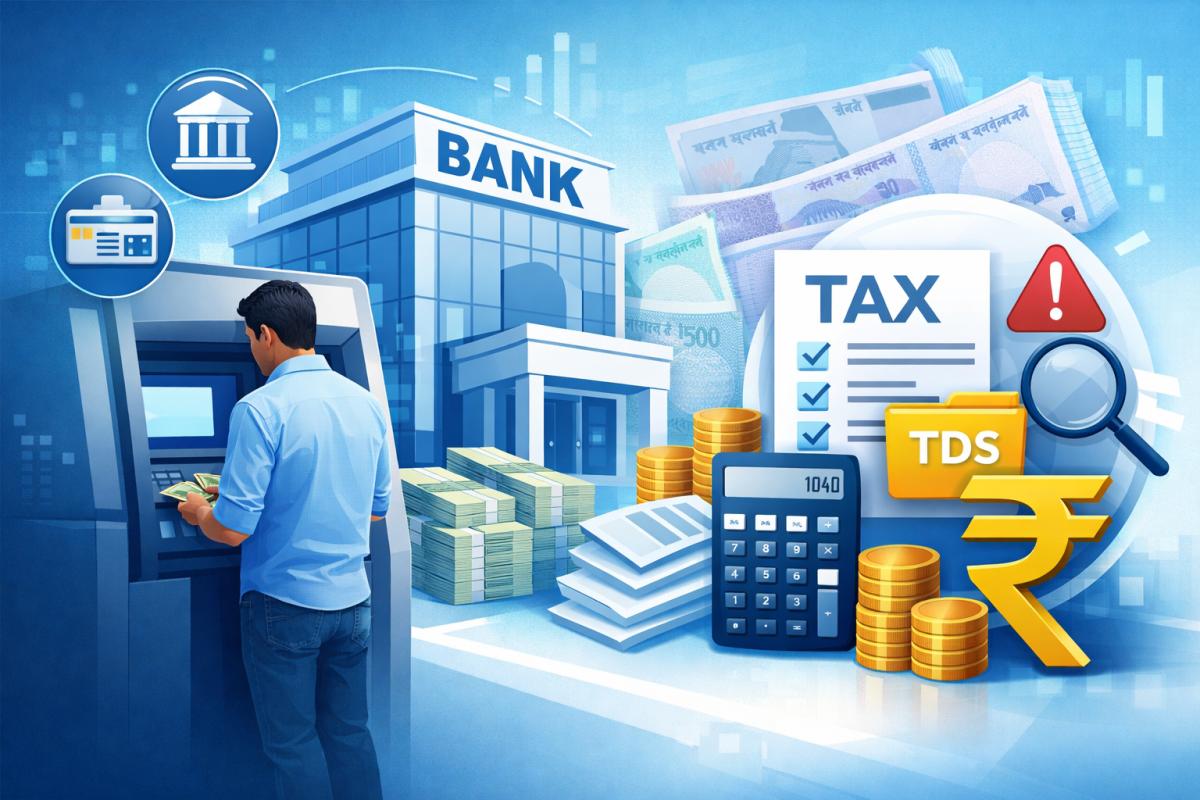
From 1 April 2026, several financial rules related to bank transactions, cash withdrawals, and income tax reporting have become important for Indian citizens. These rules are designed to improve transparency, reduce tax evasion, and encourage digital transactions. Many people are confused about the new limits and believe that the government has restricted cash withdrawals directly. In reality, the rules focus on monitoring large cash transactions rather than banning them completely. The Government of India and the Income Tax Department monitor high-value financial activities through PAN reporting and banking data. Banks, financial institutions, and taxpayers must follow specific guidelines related to large deposits, withdrawals, and cash payments. If individuals ignore these rules, they may receive an Income Tax notice or face penalties. This article explains the new bank transaction rules effective from April 2026, including cash withdrawal limits, PAN requirements, tax rules, penalties, and how you can avoid problems with the Income Tax Department. Why New Bank Transaction Rules Were Introduced The Indian government has been strengthening financial regulations to track large cash transactions and curb black money circulation. Excessive use of cash can make financial activities difficult to track, which may lead to tax evasion. To ensure better transparency, the Income Tax Department collects financial transaction data from banks. Large withdrawals, deposits, or high-value purchases are automatically reported through systems like the Annual Information Statement (AIS). The new rules help authorities: Track high-value cash transactions Prevent tax evasion and black money circulation Encourage digital payments Increase financial transparency Improve tax compliance Therefore, the new rules do not completely stop cash usage, but they ensure that unusually large transactions are monitored and reported. ATM Cash Withdrawal Limits in India One of the most common questions people ask is whether there is a fixed government limit on ATM withdrawals. The answer is no. The Reserve Bank of India allows individual banks to decide their own withdrawal limits depending on the type of account and debit card. Generally, ATM withdrawal limits in India vary widely depending on the bank and card variant. Debit Card Type Typical Daily Withdrawal Limit Basic RuPay Debit Card ₹10,000 – ₹25,000 Classic Debit Card ₹25,000 – ₹40,000 Gold / Platinum Debit Card ₹50,000 – ₹1,00,000 Premium Debit Cards Up to ₹2,00,000 or more In general, most banks allow ₹10,000 to ₹1,00,000 per day depending on the account and card type. Some premium debit cards allow even higher withdrawal limits. :contentReference[oaicite:0]{index=0} Therefore, the ATM withdrawal limit is determined by the bank and not fixed by the government. Cash Withdrawal Tax Rules (Section 194N) Another important rule is related to TDS (Tax Deducted at Source) on large cash withdrawals. The Income Tax Act includes provisions to discourage extremely large withdrawals from bank accounts. Under Section 194N, if a person withdraws a very large amount of cash during a financial year, the bank must deduct TDS on that withdrawal. Cash Withdrawal Amount in Financial Year TDS Rate Up to ₹1 Crore No TDS Above ₹1 Crore 2% TDS For individuals who have not filed Income Tax Returns for the last three years, the rules are stricter. Withdrawal Amount TDS Rate Up to ₹20 Lakh No TDS ₹20 Lakh to ₹1 Crore 2% Above ₹1 Crore 5% These rules continue to apply from FY 2026–27 unless changed by future budgets. :contentReference[oaicite:1]{index=1} PAN Mandatory for Large Cash Transactions New draft income tax rules propose stricter PAN reporting for high-value transactions. If a person withdraws or deposits large amounts of cash, quoting the PAN number becomes mandatory. Under the proposed rules: PAN must be provided if cash deposits or withdrawals exceed ₹10 lakh in a financial year If transactions exceed ₹20 lakh, PAN verification may also be required These rules aim to prevent anonymous high-value cash dealings and strengthen financial transparency. :contentReference[oaicite:2]{index=2} Cash Transaction Limit Under Income Tax Law Another important provision is Section 269ST of the Income Tax Act. This rule restricts large cash payments between individuals and businesses. According to this law, a person cannot receive cash of ₹2 lakh or more: From a single person in one day In a single transaction For a single event or occasion If someone receives more than ₹2 lakh in cash under these conditions, the penalty can be equal to the amount received. :contentReference[oaicite:3]{index=3} ATM Transaction Charges and Free Limits Apart from withdrawal limits, ATM usage also has transaction charges. Banks allow a limited number of free transactions each month. Up to 5 free transactions per month at your bank's ATM Additional transactions may incur charges After exceeding the free limit, customers may be charged around ₹23 per transaction. :contentReference[oaicite:4]{index=4} Recent Changes in Bank Withdrawal Policies Apart from government tax rules, individual banks sometimes revise their own withdrawal limits. For example, some banks have recently reduced ATM limits for certain debit cards to improve risk management and encourage digital banking. Example: A major public sector bank recently reduced ATM withdrawal limits on certain cards from ₹1.5 lakh to ₹75,000 per day starting April 2026. Such changes are decided by individual banks and can vary depending on account types, debit cards, and customer profiles. Digital Payment Limits in India As part of the move toward a digital economy, payment systems such as UPI have expanded their transaction limits. For certain categories such as tax payments, UPI transaction limits have been increased to as much as ₹5 lakh per transaction. This allows people to complete large payments digitally instead of relying on cash. :contentReference[oaicite:5]{index=5} Digital payments provide advantages such as: Instant transactions Better security Automatic transaction records No need to carry large amounts of cash Common Situations That May Trigger an Income Tax Notice Even though withdrawing cash is legal, extremely large or unusual transactions may attract attention from tax authorities. Some situations that may trigger scrutiny include: Frequent large cash deposits Withdrawal of huge amounts without clear income source High-value purchases using cash Multiple transactions designed to avoid reporting thresholds Banks automatically report high-value transactions to the Income Tax Department through systems like the Statement of Financial Transactions (SFT). Tips to Avoid Problems with Income Tax Department To stay compliant with tax laws and avoid unnecessary notices, individuals should follow some best practices. Always file your Income Tax Return on time Avoid large cash transactions when possible Use digital payments for high-value purchases Maintain records of all major transactions Ensure PAN is linked with your bank account Following these steps will help maintain transparency and reduce the risk of tax scrutiny. Advantages of the New Financial Monitoring System While many people worry about stricter monitoring, these rules also bring several benefits to the financial system. Reduction in black money circulation Improved tax compliance Better financial transparency More secure banking ecosystem Growth of digital payment infrastructure In the long term, these reforms help build a more reliable financial system and improve government revenue collection. Future of Cash Transactions in India India is gradually moving toward a more digital economy. The growth of UPI, mobile banking, and online payment platforms has significantly reduced dependence on cash. However, cash will still remain an important part of the economy, especially in rural areas and small businesses. Instead of eliminating cash usage, the government aims to regulate and monitor large transactions more effectively. The trend clearly shows that financial systems are becoming more transparent and technology-driven. Conclusion The bank transaction rules effective from 1 April 2026 focus primarily on monitoring high-value financial activities rather than restricting normal banking transactions. ATM withdrawal limits are still determined by individual banks, while tax rules mainly apply when extremely large amounts of cash are withdrawn or exchanged. Key rules include TDS on withdrawals above ₹1 crore, mandatory PAN reporting for large cash transactions, and restrictions on receiving ₹2 lakh or more in cash in a single transaction. These regulations aim to reduce tax evasion, improve transparency, and encourage digital payments across India. For ordinary banking customers, there is no reason to worry as long as transactions are legitimate and income tax returns are filed properly. By understanding these rules and maintaining proper financial records, individuals can easily avoid penalties and manage their money safely within the legal framework of the Indian financial system.
Complete Guide to SSC Exams in India: Eligibility, Exam Pattern, Selection Process, and All SSC Exams Explained
Exam

Complete Guide to SSC Exams in India: Eligibility, Exam Pattern, Selection Process, and All SSC Exams Explained

The Staff Selection Commission (SSC) is one of the most important recruitment bodies in India responsible for conducting competitive examinations for various government departments and ministries. Every year, millions of aspirants apply for SSC examinations to secure stable and prestigious government jobs. SSC exams provide opportunities for candidates with qualifications ranging from 10th pass to graduates and engineering graduates. The SSC releases a tentative examination calendar every year listing the upcoming recruitment examinations, application dates, and exam schedules. According to the official SSC examination calendar for upcoming years, several major recruitment exams such as CGL, CHSL, MTS, JE, Stenographer, Selection Post, and GD Constable are conducted annually. :contentReference[oaicite:0]{index=0} This comprehensive guide explains: Which exams are conducted by SSC Eligibility criteria for each exam Application procedure Exam pattern and stages Selection process Important SSC exam calendar information What is the Staff Selection Commission (SSC)? The Staff Selection Commission (SSC) is a central government organization under the Department of Personnel and Training (DoPT). It was established to recruit staff for various ministries, departments, and subordinate offices of the Government of India. SSC conducts multiple national-level competitive examinations each year to recruit candidates for Group B and Group C posts. These exams are highly competitive because they provide job security, attractive salary, pension benefits, and career growth. Main Objectives of SSC Recruit candidates for central government departments Ensure transparent and merit-based recruitment Conduct nationwide competitive examinations Fill vacancies across ministries and organizations List of Major Exams Conducted by SSC According to the official SSC tentative examination calendars, several major recruitment exams are conducted annually. :contentReference[oaicite:1]{index=1} Exam Name Qualification Required Level SSC CGL (Combined Graduate Level) Graduate Graduate Level SSC CHSL (Combined Higher Secondary Level) 12th Pass Higher Secondary SSC MTS (Multi Tasking Staff) 10th Pass Matric Level SSC JE (Junior Engineer) Engineering Degree/Diploma Technical SSC Stenographer 12th Pass Skill Based SSC GD Constable 10th Pass Defence/Police SSC Selection Post 10th/12th/Graduate Various SSC CPO (Sub-Inspector) Graduate Police Recruitment SSC JHT (Junior Hindi Translator) Post Graduate Language Specialist SSC Exam Calendar Overview The SSC releases an official tentative calendar every year that contains notification dates, application deadlines, and exam schedules. For example, several key examinations are scheduled throughout the year including: Selection Post Examination Stenographer Grade C & D Examination Combined Graduate Level Examination Sub-Inspector in Delhi Police and CAPFs Combined Higher Secondary Examination Multi Tasking Staff Examination Junior Engineer Examination Constable (GD) Examination The SSC calendar indicates that most examinations are conducted through Computer Based Examination (CBE) across different examination centers in India. :contentReference[oaicite:2]{index=2} Detailed Explanation of Major SSC Exams 1. SSC Combined Graduate Level (CGL) The SSC CGL exam is one of the most popular government exams in India. It recruits graduates for prestigious posts in central government ministries and departments. Posts Under SSC CGL Assistant Section Officer Income Tax Inspector Central Excise Inspector Assistant Enforcement Officer Sub Inspector (CBI) Auditor Accountant Tax Assistant Eligibility Bachelor's degree from a recognized university Age: generally 18–32 years depending on the post Exam Pattern Tier 1 – Computer Based Test Tier 2 – Advanced CBT Tier 3 – Descriptive Test Tier 4 – Skill Test / Document Verification 2. SSC Combined Higher Secondary Level (CHSL) The SSC CHSL exam recruits candidates for clerical and data entry positions in central government offices. Posts Under CHSL Lower Division Clerk (LDC) Junior Secretariat Assistant (JSA) Data Entry Operator (DEO) Eligibility Must have passed 12th standard Age limit: 18–27 years Exam Stages Tier 1 – Objective CBT Tier 2 – Descriptive paper Tier 3 – Skill/Typing Test 3. SSC Multi Tasking Staff (MTS) SSC MTS is a recruitment exam for non-technical Group C posts in government departments. Eligibility Minimum qualification: 10th pass Age: 18–25 or 18–27 depending on the post Job Responsibilities Office maintenance File movement Clerical assistance Routine administrative work 4. SSC Junior Engineer (JE) The SSC JE exam recruits engineering graduates or diploma holders for technical posts in government departments. Engineering Branches Civil Engineering Mechanical Engineering Electrical Engineering Exam Pattern Paper 1 – Objective CBT Paper 2 – Descriptive technical exam The SSC calendar indicates that the Junior Engineer examination is conducted annually with computer-based testing followed by technical evaluation. :contentReference[oaicite:3]{index=3} 5. SSC Stenographer Exam This exam recruits candidates for stenographer posts in government offices. Posts Stenographer Grade C Stenographer Grade D Eligibility 12th pass Typing and stenography skills required 6. SSC GD Constable Exam This exam recruits candidates for security forces. Forces Included BSF CISF CRPF ITBP SSB Assam Rifles NIA Selection Stages Computer Based Test Physical Efficiency Test Medical Examination 7. SSC CPO (Sub-Inspector) Exam This exam recruits Sub-Inspectors in Delhi Police and Central Armed Police Forces. Eligibility Graduation from recognized university Physical standards required Selection Process Paper 1 – Computer Based Test Physical Efficiency Test Paper 2 – Written exam Medical examination SSC Selection Post Examination The Selection Post examination recruits candidates for various posts in government departments depending on educational qualification levels: Matriculation level posts Higher secondary posts Graduate level posts This exam is conducted in multiple phases every year, such as Phase XII and Phase XIII. :contentReference[oaicite:4]{index=4} Eligibility Criteria for SSC Exams Eligibility requirements vary depending on the exam. However, the major criteria include: Educational Qualification Exam Qualification MTS 10th Pass CHSL 12th Pass CGL Graduate JE Engineering Degree/Diploma JHT Post Graduate Age Limit Minimum age: 18 years Maximum age: 27 to 32 years depending on post Age relaxation for reserved categories SSC Exam Application Procedure The application process for SSC exams is conducted online through the official SSC portal. Step-by-Step Process Visit the official SSC website Create a registration account Fill personal details and educational qualifications Upload photograph and signature Select exam center Pay application fee Submit the form Application Fee General/OBC candidates: ₹100 Women candidates: Free SC/ST candidates: Free SSC Exam Pattern (Common Structure) Most SSC exams follow a similar exam structure consisting of multiple tiers. Tier 1 (Preliminary Exam) Subject Marks General Intelligence 50 General Awareness 50 Quantitative Aptitude 50 English 50 Tier 2 (Advanced Exam) This stage includes advanced mathematics, reasoning, and English depending on the specific exam. Skill Test Typing test Data entry speed test Stenography test Advantages of SSC Jobs Government jobs through SSC are considered among the most secure and prestigious employment opportunities in India. Job security Stable salary Pension benefits Medical facilities Work-life balance Career growth opportunities Preparation Strategy for SSC Exams 1. Understand the syllabus Candidates must carefully analyze the syllabus and exam pattern before starting preparation. 2. Practice previous year papers Previous year question papers help understand exam trends and difficulty level. 3. Improve speed and accuracy Since SSC exams are time-based, candidates must practice mock tests regularly. 4. Focus on core subjects Quantitative aptitude Reasoning English language General knowledge 5. Revision Regular revision is essential for retaining concepts and improving exam performance. Future of SSC Examinations SSC continues to modernize the recruitment process with computer-based examinations, digital evaluation, and improved transparency. With increasing government vacancies and retirement of older employees, SSC exams will continue to provide employment opportunities for millions of candidates across India. Conclusion The Staff Selection Commission (SSC) plays a crucial role in recruiting candidates for various central government jobs. Through exams such as CGL, CHSL, MTS, JE, GD Constable, Stenographer, and Selection Post, SSC provides employment opportunities for candidates with different educational qualifications ranging from 10th pass to postgraduate level. The SSC examination system follows a structured recruitment process including computer-based tests, skill tests, and document verification to ensure transparent and merit-based selection. The official SSC examination calendar provides candidates with important information about upcoming exams, notification dates, and examination schedules so that aspirants can plan their preparation effectively. For candidates aspiring to secure a stable government career, SSC exams remain one of the most accessible and rewarding pathways. With proper preparation, consistent practice, and a clear understanding of the eligibility criteria and exam pattern, aspirants can successfully crack SSC examinations and build a promising future in the Indian government sector.

Types of Network Cables Explained: Color Codes, RJ45 Connectors, Straight-Through, Crossover, and Console Cables (CCNA Guide)
Tech

Types of Network Cables Explained: Color Codes, RJ45 Connectors, Straight-Through, Crossover, and Console Cables (CCNA Guide)

Introduction Computer networks rely on reliable physical connections to transmit data between devices. While wireless technologies have become increasingly popular, wired networking remains the backbone of most enterprise infrastructures because of its stability, speed, and security. Network cables act as the physical medium that carries digital signals between devices such as routers, switches, computers, and servers. Understanding the different types of network cables, their connectors, and colour coding standards is essential for anyone working with networking systems. From small home networks to large data centres, properly selecting and configuring cables ensures efficient communication and minimises connectivity issues. This article provides a comprehensive explanation of the major types of network cables used in modern networking environments, including straight-through cables, crossover cables, and console cables. It also explains connector types, wiring standards, and colour coding systems that ensure compatibility between devices. Understanding Network Cabling in Computer Networks Network cabling forms the foundation of wired communication systems. It provides the medium through which electrical or optical signals travel between connected devices. In a typical Local Area Network (LAN), cables connect devices such as: Computers and laptops Network switches Routers Servers Network printers Access points Without proper cabling, network devices would not be able to communicate efficiently. Even in modern wireless networks, wired infrastructure remains essential for backbone connectivity and high-speed data transfer. Main Types of Network Cables Several types of cables are used in networking depending on the technology and required bandwidth. Cable Type Description Typical Usage Twisted Pair Cable The most common Ethernet cable has twisted copper wires LAN connections Coaxial Cable Older cable with a central conductor and shielding Cable internet and older networks Fibre Optic Cable Uses light signals for data transmission High-speed backbone networks Among these, twisted pair Ethernet cables are the most widely used in homes and organisations. Twisted Pair Ethernet Cables Twisted pair cables consist of pairs of insulated copper wires twisted together to reduce electromagnetic interference. These cables are commonly used for Ethernet networking. Categories of Ethernet Cables Cat5 – Supports up to 100 Mbps Cat5e – Supports up to 1 Gbps Cat6 – Supports up to 10 Gbps for shorter distances Cat6a – Improved shielding and higher speeds Cat7 – Advanced shielding for high-performance networks Each category is designed to support higher data transmission speeds and improved interference protection. Ethernet Cable Colour Coding Standards Ethernet cables follow standardised wiring schemes that define the order of colored wires inside the cable connector. The two widely used standards are T568A and T568B. T568A Colour Code Pin Wire Color 1 White/Green 2 Green 3 White/Orange 4 Blue 5 White/Blue 6 Orange 7 White/Brown 8 Brown T568B Colour Code Pin Wire Color 1 White/Orange 2 Orange 3 White/Green 4 Blue 5 White/Blue 6 Green 7 White/Brown 8 Brown Both standards function similarly, but networks usually adopt one standard consistently to maintain compatibility. Network Cable Connectors Connectors allow network cables to connect with networking devices. The most commonly used Ethernet connector is the RJ-45 connector. RJ-45 Connector RJ-45 connectors contain eight pins corresponding to the eight wires inside twisted pair cables. These connectors are used to attach cables to devices such as switches, routers, and computers. Key Characteristics 8-pin modular connector Used with Cat5, Cat6, and Cat7 cables Supports Ethernet networking Standard interface for LAN devices Straight-Through Ethernet Cable A straight-through cable is the most common type of Ethernet cable used in networking. In this configuration, the wiring standard is identical on both ends of the cable. Configuration T568A on both ends Or T568B on both ends Typical Uses Computer to switch Computer to router Switch to the router Access point to switch Straight-through cables connect dissimilar devices, meaning devices that perform different roles within a network. Crossover Ethernet Cable A crossover cable is designed to connect similar devices directly without using a switch or router. In this cable type, one end uses the T568A wiring scheme and the other uses T568B. Configuration One end: T568A Other end: T568B Common Uses Computer-to-computer connection Switch to switch Router to router Hub to hub The crossover design swaps transmit and receive pairs so that devices can communicate directly. Modern networking devices often support Auto-MDI/MDIX technology, which automatically detects cable type and adjusts communication accordingly. Console Cable A console cable is used for device management rather than normal network data transmission. Network administrators use console cables to configure networking devices such as routers and switches. Purpose of Console Cables Access device configuration Troubleshoot network devices Perform firmware updates Initial router or switch setup Console Cable Characteristics Usually light blue in colour (Cisco standard) Uses an RJ-45 connector on one side Serial or USB connection on the other side Provides command-line interface access Console cables connect a computer directly to a router or switch for administrative configuration. Differences Between Straight-Through, Crossover, and Console Cables Cable Type Purpose Connection Example Straight-Through Connect different network devices PC to Switch Crossover Connect similar network devices PC to PC Console Cable Device configuration and management PC to Router Console Port Best Practices for Network Cabling Proper installation and management of network cables improve network reliability and simplify troubleshooting. Follow consistent colour coding standards Label cables clearly Avoid sharp cable bends Use cable management systems Keep cables away from electrical interference These practices help maintain network performance and reduce maintenance challenges. Future of Network Cabling While wireless technologies continue to evolve, high-speed wired networks remain essential for enterprise infrastructure, data centres, and high-bandwidth applications. Fibre optic cables are becoming increasingly common due to their ability to support extremely high speeds and long-distance communication. However, Ethernet twisted pair cables will continue to play a crucial role in local networks because of their affordability and ease of deployment. Conclusion Network cables are fundamental components of modern communication systems. Understanding the various cable types, connectors, and colour coding standards is essential for building reliable and efficient networks. Twisted pair Ethernet cables remain the most widely used medium in local area networks, providing cost-effective and dependable connectivity. Straight-through cables enable communication between different network devices, while crossover cables allow similar devices to connect directly. Console cables serve a specialised role by giving administrators direct access to network device configuration and management interfaces. By mastering these cabling standards and understanding their practical applications, network engineers and technology enthusiasts can design, troubleshoot, and maintain networks more effectively. Proper cabling practices not only improve network performance but also ensure long-term reliability in both small and large networking environments.

Turn Your Old Smartphone Into a Powerful Home Server: The Ultimate DIY Homelab Guide
Tech

Turn Your Old Smartphone Into a Powerful Home Server: The Ultimate DIY Homelab Guide

Technology evolves at a breathtaking pace. Every year, millions of smartphones are replaced by newer models, leaving perfectly functional devices sitting unused in drawers. While many people consider these devices obsolete, tech enthusiasts and developers have discovered a fascinating alternative use: transforming an old smartphone into a homelab server. A homelab is a personal environment where developers, system administrators, and tech hobbyists experiment with networking, servers, and software. Traditionally, homelabs require hardware like Raspberry Pi boards, mini PCs, or old desktop computers. However, modern smartphones contain powerful multi-core processors, substantial memory, and reliable wireless connectivity, making them capable of running server workloads. Even a several-year-old smartphone can handle lightweight hosting tasks, making it an ideal platform for experimentation and learning. :contentReference[oaicite:0]{index=0} This article explores the concept of using an old phone as a homelab server, explains how it works, the software tools involved, advantages, limitations, and the broader implications of repurposing consumer electronics for server infrastructure. Understanding the Concept of a Homelab A homelab refers to a small-scale computing environment set up at home for experimentation and learning. It allows individuals to simulate real-world infrastructure without needing expensive enterprise hardware. Typical Homelab Uses Hosting personal websites Running file servers Experimenting with networking technologies Learning Linux administration Running containers and automation tools Media streaming and storage Smart home automation servers Traditionally, enthusiasts used older desktop computers or dedicated hardware like Raspberry Pi. However, the processing power of smartphones has increased dramatically over the past decade, making them surprisingly capable for similar tasks. Modern smartphones include multi-core CPUs, gigabytes of RAM, and high-speed storage, making them powerful enough to run lightweight server applications. Why Use an Old Phone as a Server? At first glance, using a smartphone as a server may seem unusual. Servers are usually associated with racks of computers in data centers. However, for small workloads and personal experimentation, smartphones offer several compelling advantages. Cost Efficiency The biggest advantage is cost. Instead of purchasing dedicated hardware, you can repurpose a device you already own. Many households have multiple unused phones that could easily be transformed into small servers. Energy Efficiency Smartphones are designed to operate on batteries and consume very little power. Compared to traditional servers that may consume hundreds of watts, a smartphone typically uses only a few watts of electricity. This makes it extremely energy efficient for small workloads. Compact Hardware Another benefit is the compact size. A phone server occupies almost no physical space and can run silently without cooling fans. Built-in Connectivity Wi-Fi connectivity Bluetooth support Cellular networking Internal storage Battery backup This means you can run network services immediately without needing extra hardware. Hardware Capabilities of Smartphones Many people underestimate how powerful smartphones have become. Even mid-range devices contain hardware comparable to entry-level computers from a few years ago. Component Typical Smartphone Capability Server Relevance CPU Multi-core ARM processors Runs Linux services and containers RAM 4GB – 12GB Handles multiple applications Storage 64GB – 512GB Hosts files and databases Networking Wi-Fi / Cellular Remote access and hosting Battery 3000–5000 mAh Built-in power backup These features allow smartphones to perform tasks such as hosting web servers, running automation services, or managing smart home devices. Key Software Tools Used in Smartphone Homelabs Turning a phone into a server requires software that allows deeper control over the system. One of the most widely used tools is Termux, an Android terminal environment that provides Linux-like functionality. Termux Termux provides a full Linux environment on Android devices. It allows users to install command-line tools, compilers, and server applications. Through Termux, users can install packages like: OpenSSH Python Node.js Nginx Git Docker (in certain setups) With these tools installed, the phone effectively behaves like a miniature Linux server. Linux Virtual Machines Some setups involve running virtual machines inside Android using emulation tools like QEMU. This allows a lightweight Linux distribution such as Alpine Linux to run on the device. In one documented setup, a user installed a Linux VM through Termux and used Docker containers to run server applications such as media servers. :contentReference[oaicite:1]{index=1} SSH Remote Access SSH allows users to control the phone remotely from another computer. Once SSH is configured, the device can operate like a traditional server accessible through the network. Steps to Turn an Old Phone into a Homelab Server While exact procedures vary depending on device models and operating systems, the overall process generally follows these steps. 1. Prepare the Device Factory reset the phone Update the operating system Remove unnecessary apps Disable battery optimization for server apps 2. Install a Terminal Environment Install a Linux terminal environment like Termux to access system-level tools and packages. 3. Update Packages Update package repositories and install essential development tools. 4. Install Server Software Web servers (Nginx or Apache) File servers Automation scripts Database servers 5. Configure Networking To allow external devices to access the server, you must configure networking settings such as: Port forwarding Dynamic DNS SSH access Firewall rules 6. Deploy Applications After setup, you can host applications like personal websites, APIs, or automation tools. Example Applications for a Smartphone Homelab A smartphone homelab can host many different services depending on available hardware resources. Personal Website Hosting Developers can host personal portfolios or small web applications directly from their phones. Media Streaming Servers Media servers like Jellyfin allow users to stream movies and music to other devices on their network. Smart Home Automation Platforms such as Home Assistant can run on smartphones to manage smart home devices. Private Cloud Storage A phone can act as a lightweight NAS (Network Attached Storage) for file sharing within a home network. Limitations of Smartphone Servers While smartphone servers are fascinating, they are not without limitations. Network Restrictions Most smartphones rely on Wi-Fi rather than wired Ethernet, which can limit network reliability and speed. Thermal Management Phones are not designed for sustained high CPU workloads. Continuous server tasks may generate heat. Storage Limitations Although smartphones may have large internal storage, they usually lack expandable storage options compared to traditional servers. Hardware Access Smartphones have limited ports and hardware expandability compared to PCs or dedicated servers. Security Considerations Running a server always introduces security risks. Proper configuration is essential to prevent unauthorized access. Use strong passwords Enable SSH keys instead of passwords Update packages regularly Monitor network traffic Use firewalls and VPN access Security should always be a priority when exposing any device to the internet. The Sustainability Perspective Repurposing smartphones for homelabs also supports environmental sustainability. Electronic waste is one of the fastest-growing waste streams globally. Extending the life of devices reduces environmental impact and encourages responsible technology usage. Instead of discarding old devices, repurposing them for computing experiments allows users to extract additional value from existing hardware. Community and DIY Innovation The homelab community thrives on experimentation and creativity. Developers and hobbyists regularly discover new ways to repurpose devices for computing infrastructure. Online communities frequently share guides, configurations, and projects related to smartphone servers. Some users even run automation systems, network monitoring tools, or development environments on old phones. Repurposing everyday hardware for experimental computing projects reflects the spirit of the maker movement and open-source innovation. The Future of Personal Server Infrastructure As smartphones continue to become more powerful, their potential as computing devices will expand. Future devices may include even faster processors, more RAM, and better connectivity options. In the future, personal computing may become increasingly decentralized. Instead of relying entirely on cloud services, individuals may operate their own micro servers from devices they already own. Smartphones could play a significant role in this decentralized infrastructure. Conclusion Turning an old smartphone into a homelab server demonstrates how powerful modern mobile devices have become. With the right software tools and configuration, a device that might otherwise gather dust in a drawer can become a functional server capable of hosting websites, managing files, running automation tools, or supporting development experiments. While smartphone servers cannot replace enterprise-grade hardware or large-scale infrastructure, they offer a low-cost and energy-efficient platform for learning, experimentation, and small-scale hosting. For students, developers, and technology enthusiasts, repurposing an old phone into a server represents an excellent opportunity to explore networking, Linux administration, and self-hosting without investing in expensive hardware. Beyond the technical benefits, the concept also highlights a broader principle in modern technology culture: innovation does not always require new devices. Sometimes the most interesting projects begin with hardware we already have. By creatively reusing old smartphones, we not only expand our technical knowledge but also contribute to a more sustainable and resourceful approach to computing.

The Reader's Toolkit

Premium Reading Tools

📖
Smart Dictionary

Double-click any word to see its meaning and pronunciation instantly.

Highlight to Share

Select any text to instantly share quotes via X or WhatsApp.

Curated Perspectives

Deep-dive into related insights at the end of every article.