
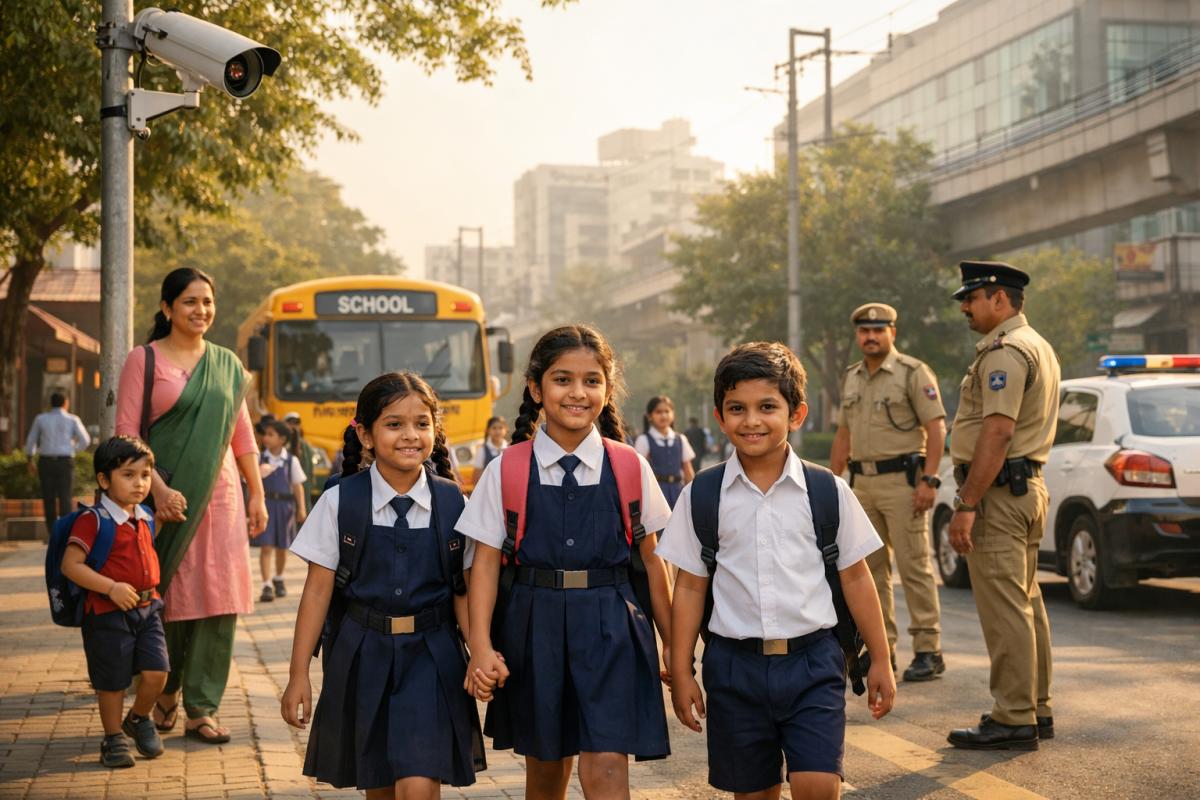

Child safety is one of the most critical indicators of a nation’s social, legal, and moral strength. India, home to over 400 million children, has made significant progress in improving child welfare, education, and legal protection. However, concerns about crime, abuse, exploitation, online threats, and social inequality continue to raise questions about whether children are truly safe. This blog provides an in-depth analysis of the safety of children in India, examining legal frameworks, crime statistics, social factors, technological risks, and the collective responsibility of families, communities, and government institutions.
Understanding Child Safety in the Indian Context
Child safety refers to the protection of children from physical harm, emotional abuse, neglect, exploitation, trafficking, and unsafe environments. It also includes protection from digital risks, unsafe educational institutions, and inadequate healthcare. In India, child safety is influenced by multiple factors such as population density, poverty, urbanization, awareness levels, and law enforcement efficiency.
India’s diversity means child safety conditions vary greatly between urban and rural areas, wealthy and poor communities, and different states. While many children grow up in safe and nurturing environments, others face risks due to systemic challenges and social inequalities.
Legal Framework Protecting Children in India
India has established several strong laws designed to protect children from abuse, exploitation, and neglect. These laws demonstrate the government’s commitment to child safety.
Key Child Protection Laws
- Protection of Children from Sexual Offences (POCSO) Act, 2012 – Provides strict punishment for sexual crimes against children.
- Juvenile Justice (Care and Protection of Children) Act, 2015 – Protects children in need of care and ensures rehabilitation.
- Child Labour (Prohibition and Regulation) Amendment Act, 2016 – Prohibits employment of children under 14 years.
- Right to Education Act, 2009 – Guarantees free and compulsory education for children aged 6 to 14.
- Information Technology Act, 2000 (with amendments) – Addresses online exploitation and cybercrime involving minors.
These laws are supported by specialized institutions such as Child Welfare Committees, Juvenile Justice Boards, and Special Courts to ensure faster justice and protection.
Crime Statistics Related to Children
Crime data provides insight into the safety challenges children face. While reporting has improved due to awareness and legal reforms, crimes against children remain a serious concern.
| Type of Crime | Description | Common Locations | Risk Factors |
|---|---|---|---|
| Kidnapping | Abduction for ransom, trafficking, or custody disputes | Urban and semi-urban areas | Lack of supervision, crowded public spaces |
| Sexual Abuse | Includes assault, harassment, and exploitation | Homes, schools, neighborhoods | Trusted offenders, lack of awareness |
| Child Labour | Illegal employment of children | Factories, homes, rural areas | Poverty, lack of education |
| Trafficking | Forced labor, illegal adoption, exploitation | Border states, poor regions | Economic vulnerability |
| Cyber Exploitation | Online grooming, harassment | Internet platforms | Unsupervised device use |
It is important to note that increased reporting does not necessarily mean increased crime, but often reflects greater awareness and willingness to report abuse.
Physical Safety in Public Spaces
Children in India frequently use public transport, walk to school, and play in open areas. While most public spaces are safe, risks exist due to overcrowding, traffic accidents, and insufficient infrastructure.
Common Public Safety Concerns
- Road accidents involving school children
- Unsafe school transportation
- Stranger-related crimes
- Lack of child-friendly infrastructure
- Poorly monitored playgrounds
Urban areas often have better surveillance systems such as CCTV cameras and police patrols, but rural areas may lack these safety measures.
Safety in Schools and Educational Institutions
Schools are generally considered safe spaces, but incidents of bullying, corporal punishment, and abuse have been reported. Most schools now implement safety protocols.
School Safety Measures
- Background verification of staff
- CCTV monitoring in classrooms and corridors
- Anti-bullying policies
- School transport safety guidelines
- Emergency evacuation plans
Parents are encouraged to remain actively involved in their child’s education and monitor behavioral changes.
Child Abuse Within Families and Communities
Contrary to common belief, many cases of abuse involve individuals known to the child. This includes relatives, neighbors, or family acquaintances.
Most child abuse cases globally and in India involve someone the child knows and trusts rather than strangers.
This makes awareness, communication, and education essential tools in preventing abuse.
Types of Abuse
- Physical abuse
- Emotional abuse
- Sexual abuse
- Neglect
- Psychological manipulation
Online Safety and Digital Risks
With the rapid growth of smartphone and internet usage, children face new risks in the digital world. Online education, gaming, and social media expose children to potential cyber threats.
Common Online Threats
- Cyberbullying
- Online predators
- Exposure to inappropriate content
- Identity theft
- Gaming addiction
Parents should monitor online activity and educate children about safe internet practices.
Government Initiatives to Improve Child Safety
India has implemented multiple programs to strengthen child protection systems.
- Childline 1098 – Emergency helpline for children in distress
- Beti Bachao Beti Padhao – Promotes girl child protection and education
- Integrated Child Protection Scheme
- School safety policies
- Anti-trafficking units
These initiatives aim to prevent abuse and provide immediate assistance.
Role of Parents in Ensuring Child Safety
Parents play the most important role in protecting children. Awareness, supervision, and communication are essential.
Key Responsibilities of Parents
- Teach children about safe and unsafe touch
- Monitor their social and online interactions
- Know their child’s friends and environment
- Encourage open communication
- Recognize warning signs of abuse
Children who feel comfortable communicating with parents are less vulnerable to exploitation.
Community Responsibility and Social Awareness
Child safety is not only a family responsibility but also a community responsibility. Neighbors, teachers, and local authorities must remain vigilant.
Communities can support child safety by:
- Reporting suspicious activity
- Supporting awareness campaigns
- Creating safe play environments
- Encouraging school safety compliance
Challenges Affecting Child Safety in India
Despite strong laws, several challenges remain.
- Poverty and economic inequality
- Lack of awareness in rural areas
- Underreporting of crimes
- Slow judicial processes
- Social stigma around reporting abuse
Addressing these challenges requires long-term systemic reforms.
Urban vs Rural Child Safety Comparison
| Factor | Urban Areas | Rural Areas |
|---|---|---|
| Law Enforcement | Stronger presence | Limited presence |
| Awareness | Higher awareness | Lower awareness |
| Infrastructure | Better facilities | Limited facilities |
| Reporting | More frequent | Often underreported |
How Children Can Be Taught to Stay Safe
Children themselves can be taught important safety skills appropriate to their age.
- Memorize emergency phone numbers
- Avoid talking to strangers
- Inform parents before going anywhere
- Report uncomfortable situations immediately
- Understand basic online safety rules
The Role of Technology in Child Protection
Technology has improved child safety through surveillance systems, emergency apps, and digital reporting platforms.
- GPS tracking devices
- Emergency alert applications
- School safety monitoring systems
- Online reporting portals
However, technology must be used responsibly to balance safety and privacy.
Positive Developments and Improvements
India has made progress in recent years. Increased awareness, stricter laws, and improved reporting systems have strengthened child protection.
- Stronger legal enforcement
- Improved public awareness
- Better school safety policies
- Expansion of child helplines
These improvements show that child safety is receiving increasing attention.
Future Steps Needed
To further improve child safety, India must focus on prevention, education, and enforcement.
- Faster justice delivery
- Better child protection training
- Improved school safety regulations
- Digital safety education
- Community awareness programs
Conclusion
Children in India are protected by strong laws, growing awareness, and expanding government programs, but challenges still exist due to population size, social inequality, and evolving threats such as cybercrime. Most children live safely with supportive families and communities, yet risks remain in certain environments and situations. Ensuring child safety requires continuous effort from parents, schools, law enforcement, government, and society as a whole. With stronger implementation of laws, increased awareness, improved education, and responsible use of technology, India can continue to create a safer environment where every child can grow, learn, and thrive without fear.



Community Insights